




Kiln and Glaze Technology in Chinese Ceramics
Driven by changing cultural standards, Chinese ceramic production developed new technologies to meet evolving ideas of use and beauty. Early Chinese ceramics were unglazed, highlighting the raw, fired clay body. They reflected a growing appetite for embellishment as seen in the application of pigmented paint and other finishing techniques like burnishing and impressed relief patterns. This desire for decoration fueled two key technical innovations: improvements in kiln technologies resulted in a higher degree of control over the firing environment; and a greater understanding of pigmenting elements led to the development of glazes. Over the next hundred centuries glazes would become more diversified in color and composition and eventually move from primarily monochromatic to polychromatic techniques. Chinese ceramics would be further influenced by the expansion of the Silk Road into China, introducing the distinct blue of cobalt into Chinese glazes and instigating an exchange of ideas between Chinese and Western ceramic cultures.
This exhibition was researched, curated, and designed by LUAG museum education intern, Collett Akins '27 (Material Science & Engineering, and Art History) in collaboration with the LUAG Collections & Exhibitions Team. We are indebted to the expertise of professor Dong-Ning Wang, PhD '98 (Material Science and Engineering). Since 2007, professor Wang has been conducting research and teaching in the Department of Modern Languages and Literatures, and Asian Studies. Her interdisciplinary research and teaching focus on traditional crafts and the technological advancements in ancient Chinese architecture, metallurgy, pottery, and ceramics. Since 2017, she has collaborated with LUAG on the university's Chinese ceramics collection and has taught various courses on Chinese ceramics.
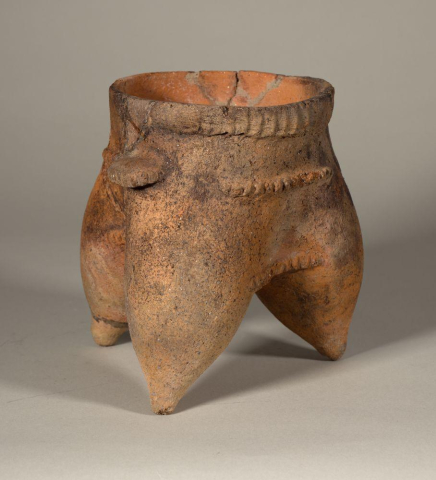
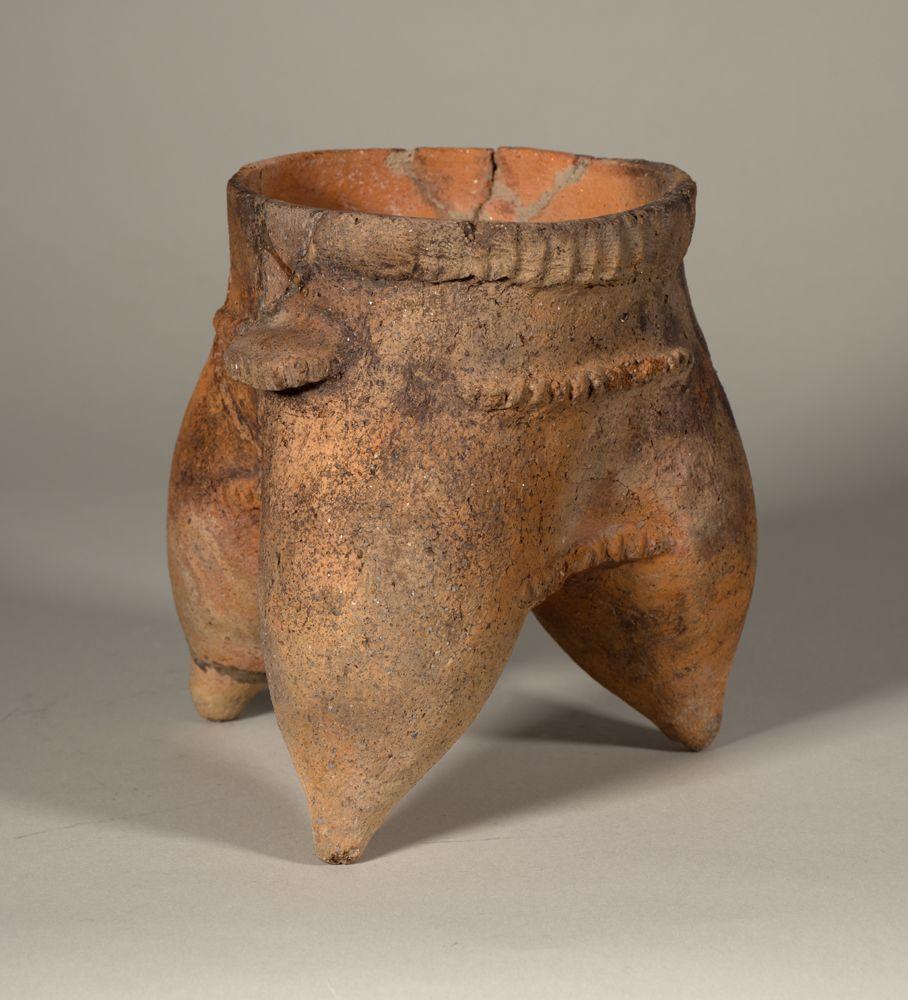
EARLY DECORATION
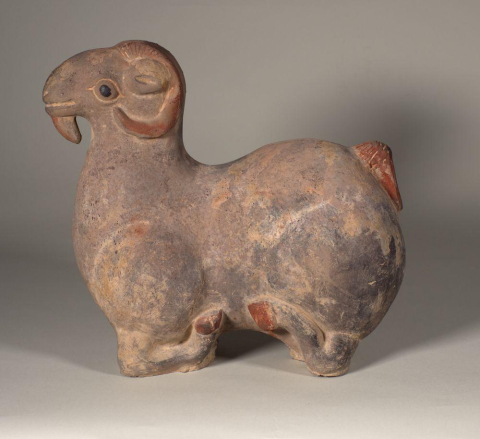
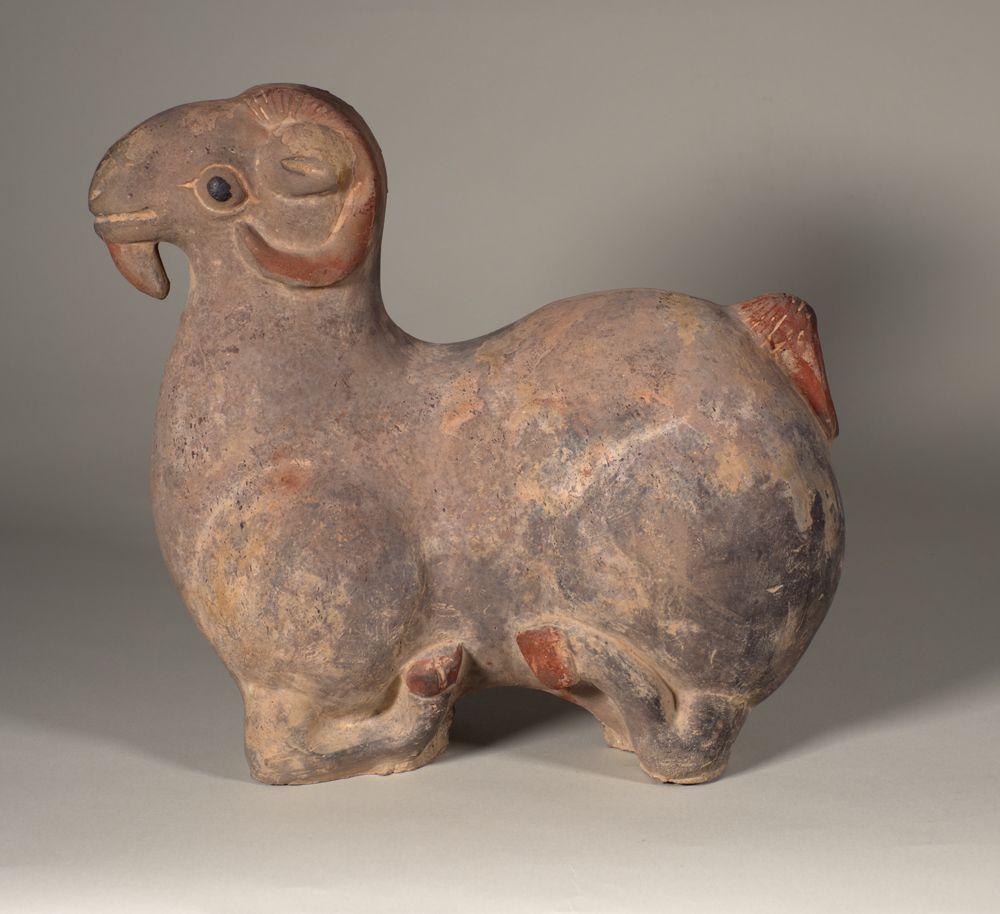
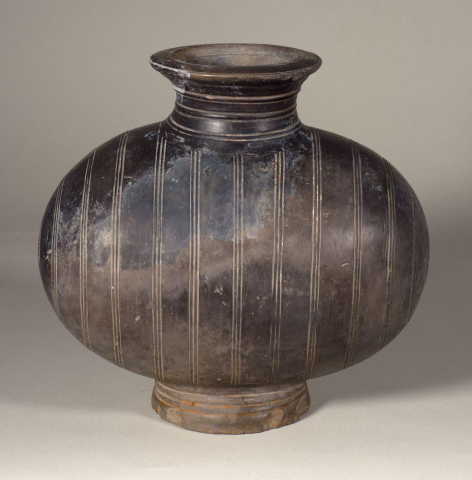
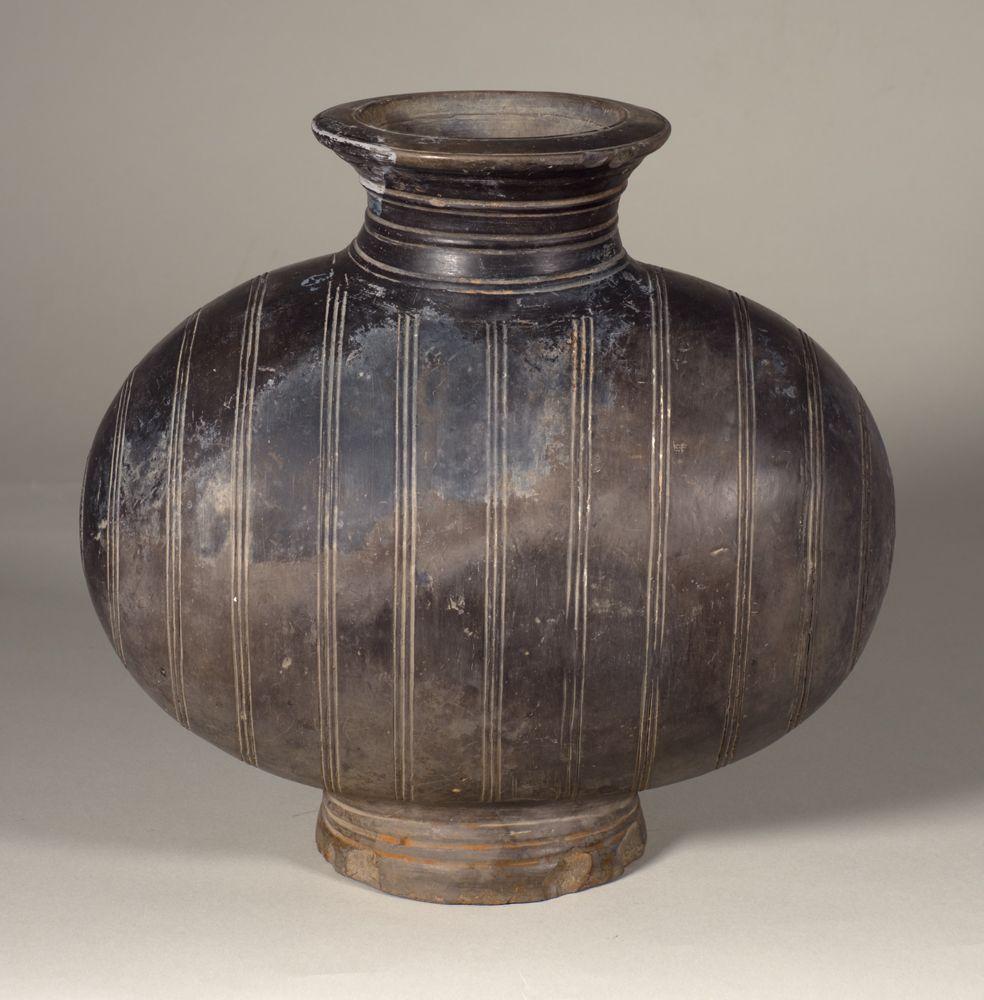
Early Chinese ceramics lacked the glossy finish associated with glazing. Instead, a variety of finishing techniques were used to embellish the raw clay body, including incising, painting, and burnishing. Creating these pieces relied heavily on the evolution of the kiln technology used to fire the clay. From rudimentary approaches of baking the works directly in a fire or underground, more complex kilns evolved: the two main types being reduction and oxidation kilns.
Reduction kilns, most commonly used in the firing of Chinese ceramics, “reduce” air flow during firing, forcing the combustion process to extract oxygen (oxides) directly from the clay. When these oxides burn, the composition of the materials and their appearance are changed, often producing a darker clay body. Oxidation kilns, on the other hand, maintain a steady supply of oxygen, allowing carbon to burn off and trace amounts of metals to fully oxidize, resulting in a brighter fired body.
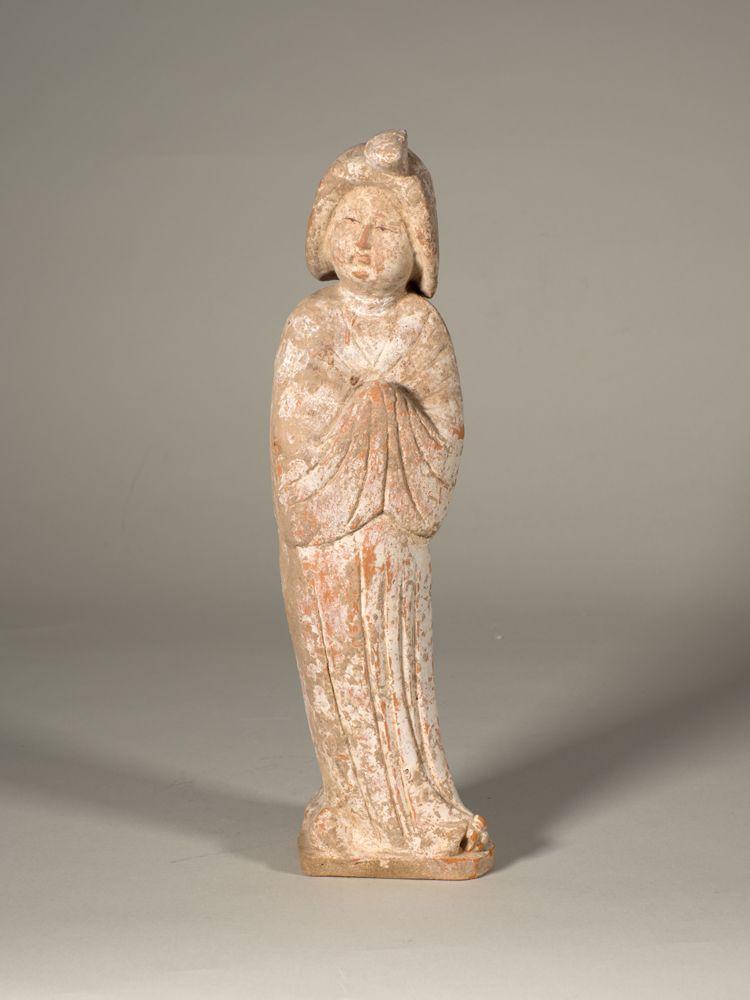
Often, unglazed ceramics were painted with pigments before or after firing, adding a degree of realism or interest. These techniques reflected a growing desire for color and overall aesthetics. This desire–coupled with the expansion of kiln technologies–led to the development of glazes.
As clay firing developed in China, reduction kilns became commonplace. Innovations led to the development of crossdraft and downdraft circulation, allowing for increased efficiency at high temperatures, and a greater control of the firing temperature overall. These factors made the technical advancement and industrialization of Chinese ceramics possible.
COLORED GLAZES
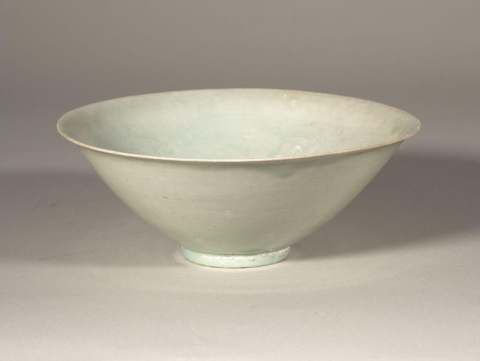
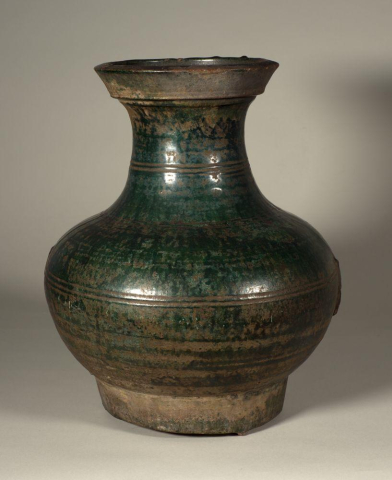
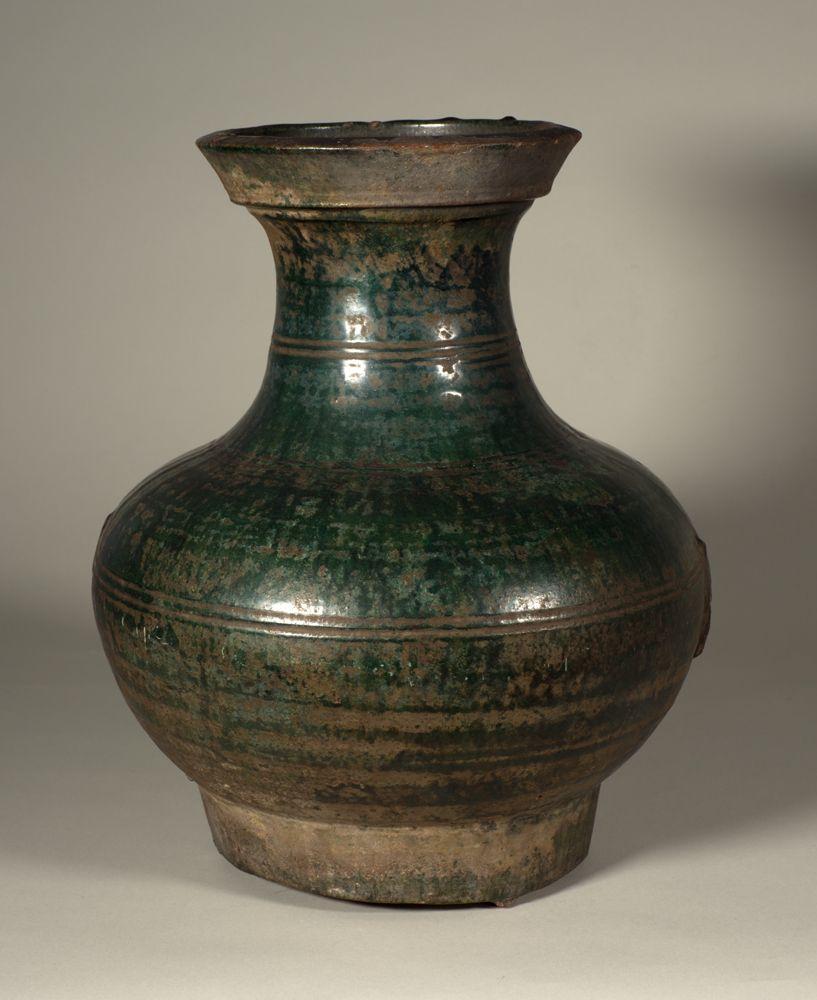
Changes in technology gave rise to glazes, which added both color and luster to ceramic wares. Glazes are made up of three main ingredients; silica, alumina, and flux. Silicon dioxide (the main ingredient in glass) contributes to glazes’ glossy finish. It was likely sourced from fine-ground quartz (sand). Alumina hydrate acts as a thickener, making the glaze more viscous and better able to cling to the surface of the clay without running off. Finally, fluxes help lower the melting temperature of the glaze so that it can be fired in conjunction with the clay. Both feldspar— a common mineral containing silica, oxygen, and aluminum—and lead oxides (PbO) are frequently used as fluxes.
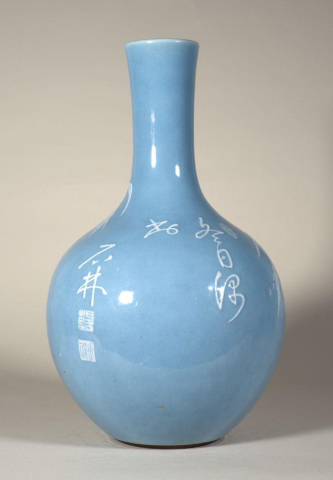
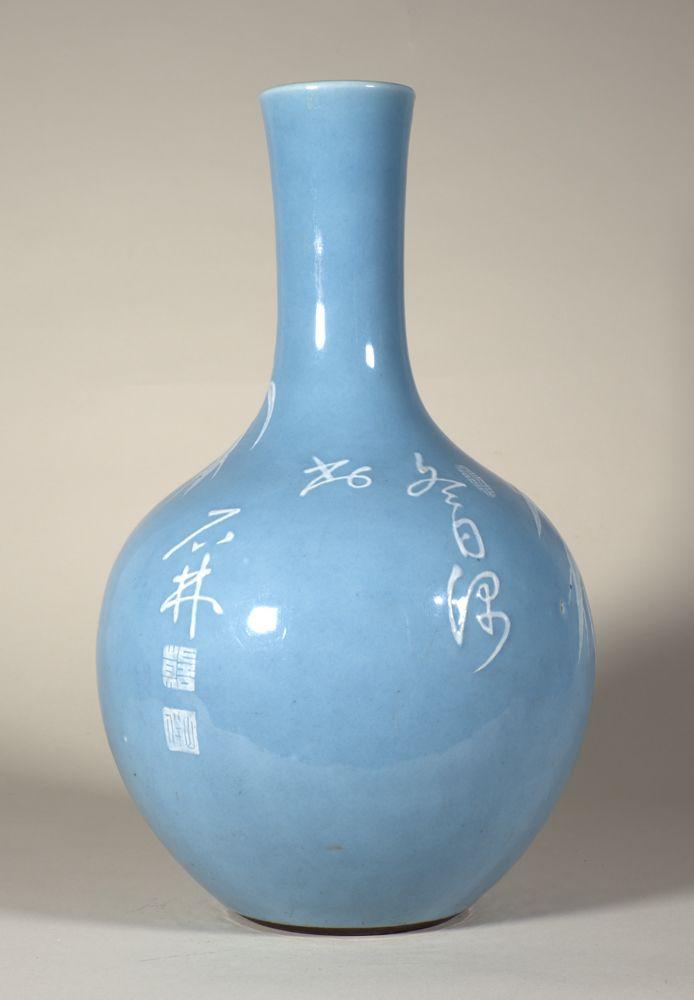
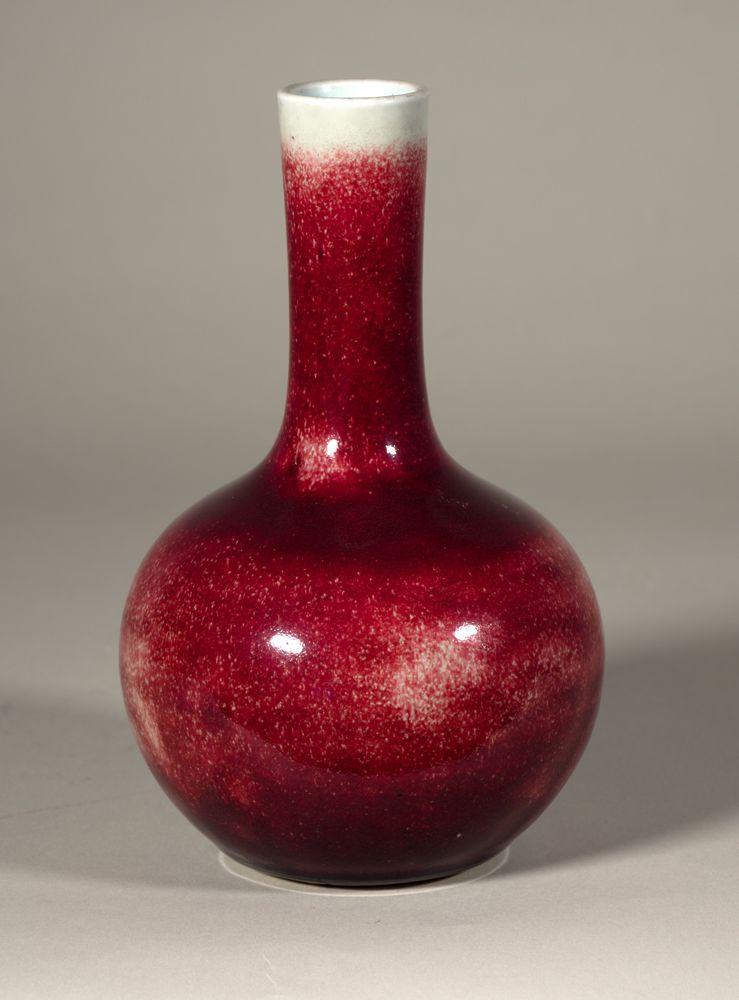
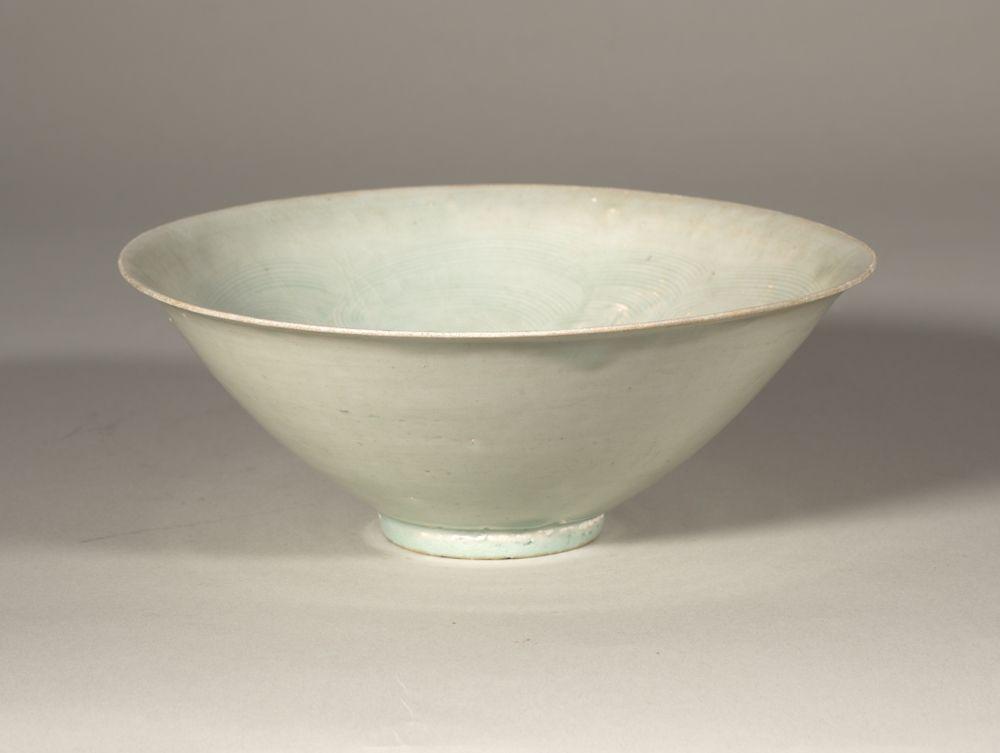
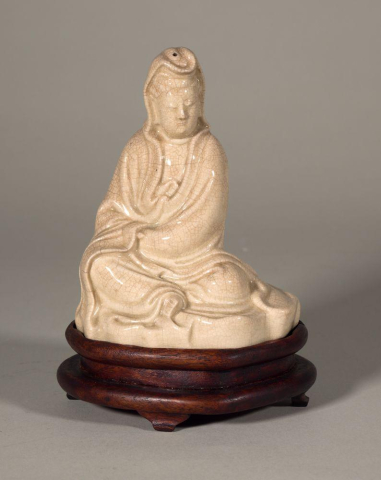
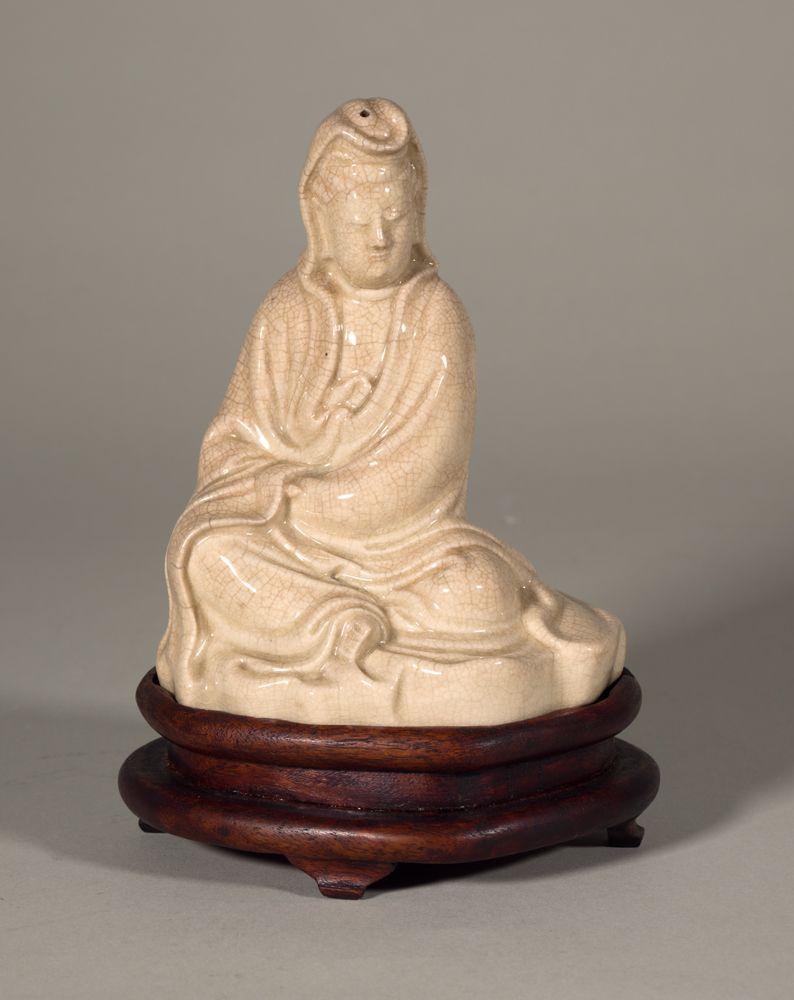
Beyond these three ingredients, other minerals were added to alter the color of the glaze. In Chinese culture, certain colors were extremely valued due to their association with the five elements of the zodiac: yellow (earth), red (fire), green (wood), black (water), and white (metal), and a set of values or characteristics ranging from creativity and growth to wisdom and flexibility. This close association between color and cultural significance makes monochrome ceramics the true traditional wares of China.
THE INFLUENCE OF TRADE
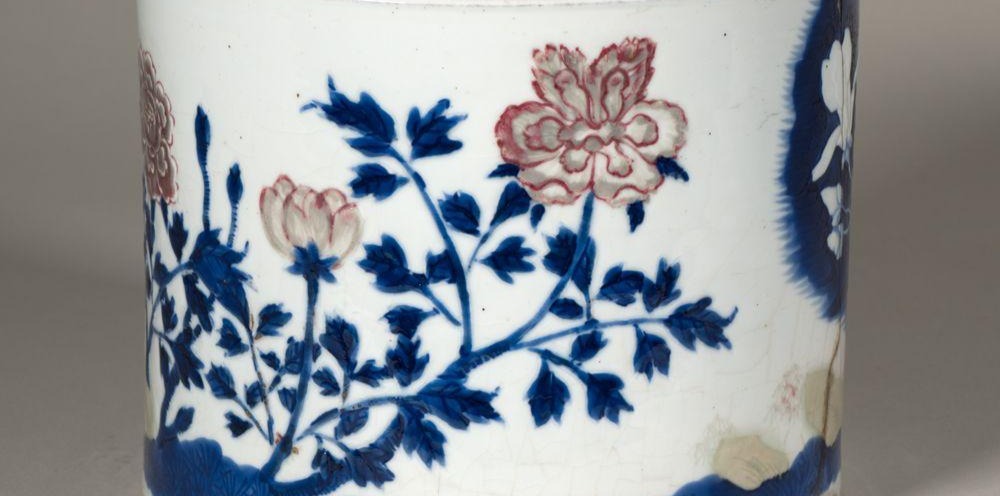
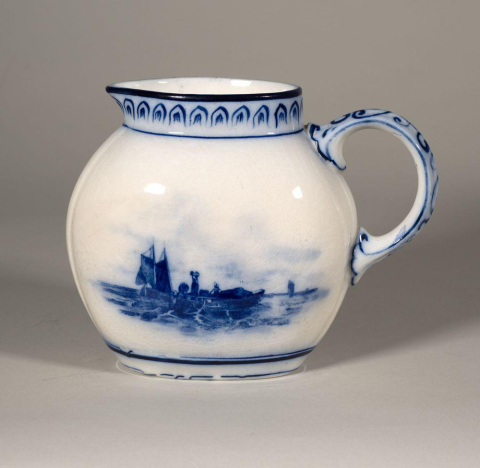
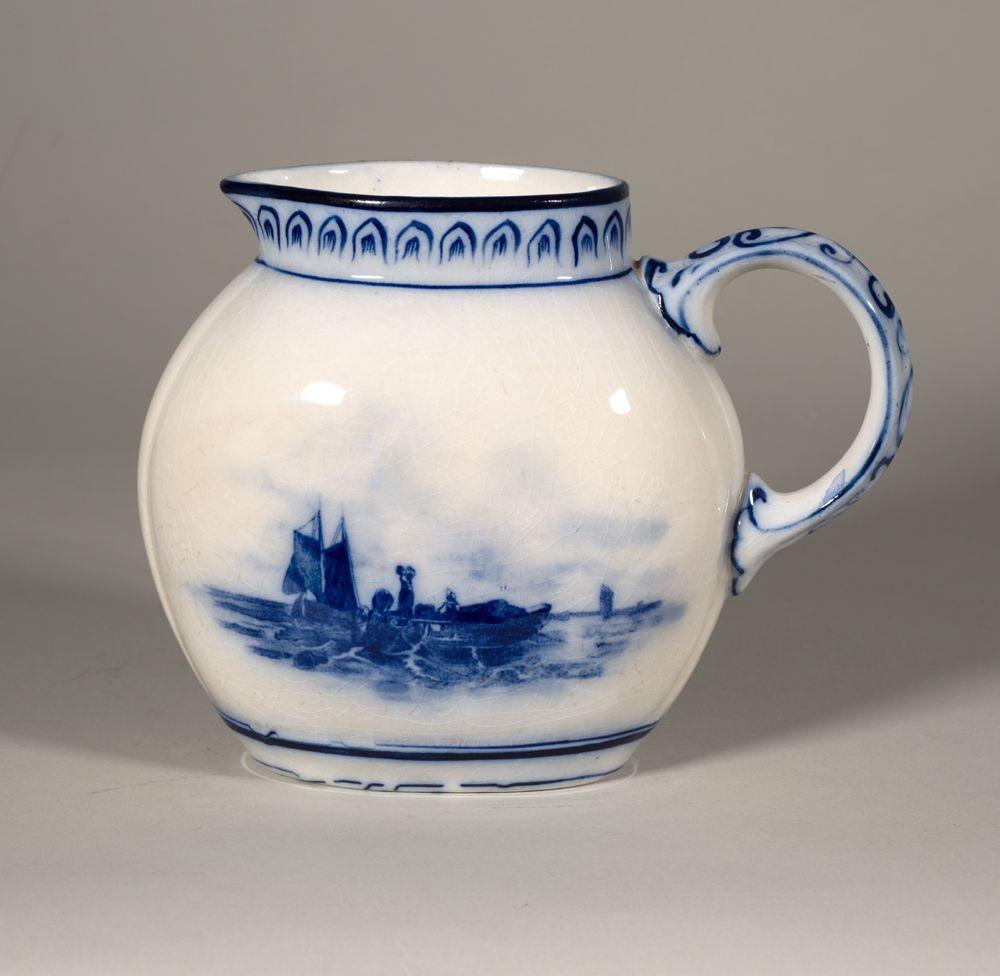
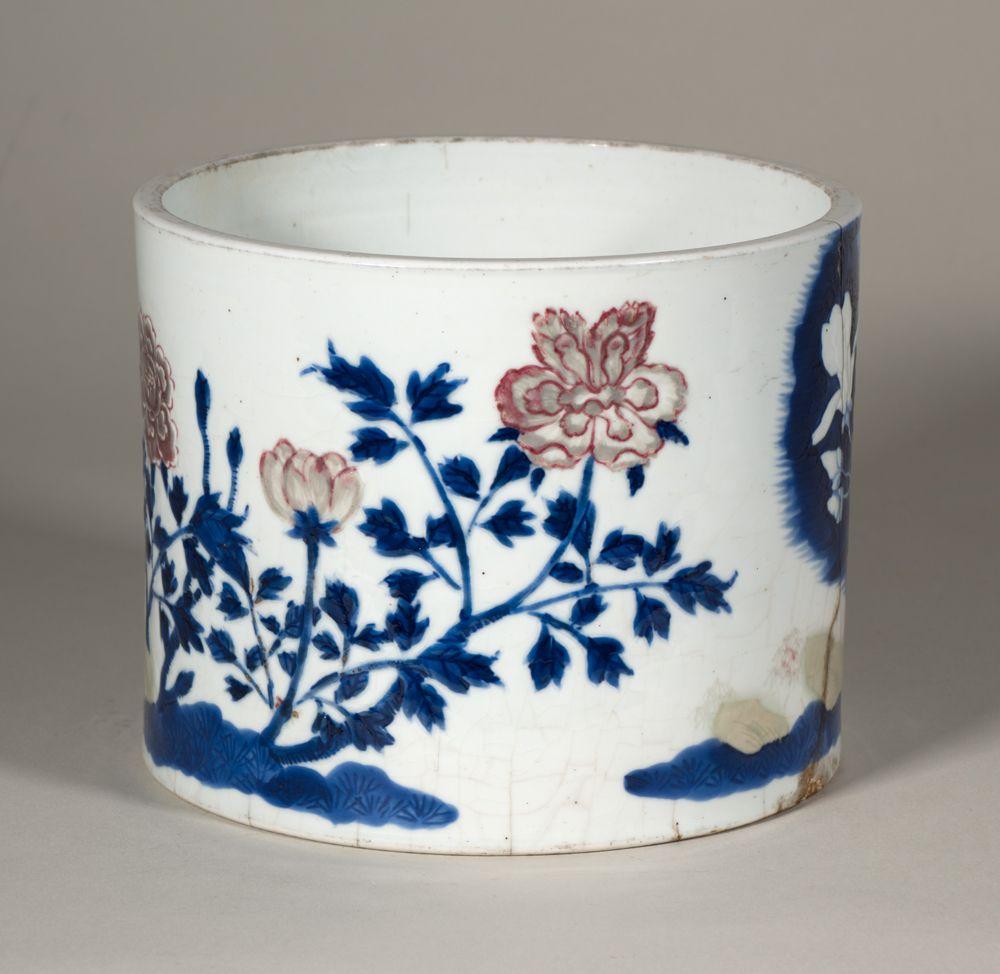
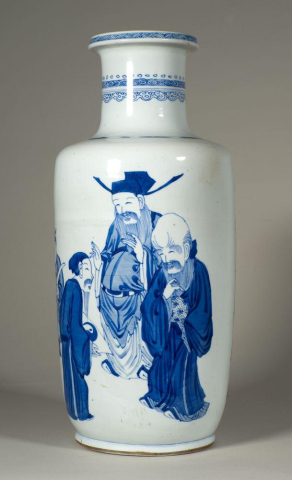
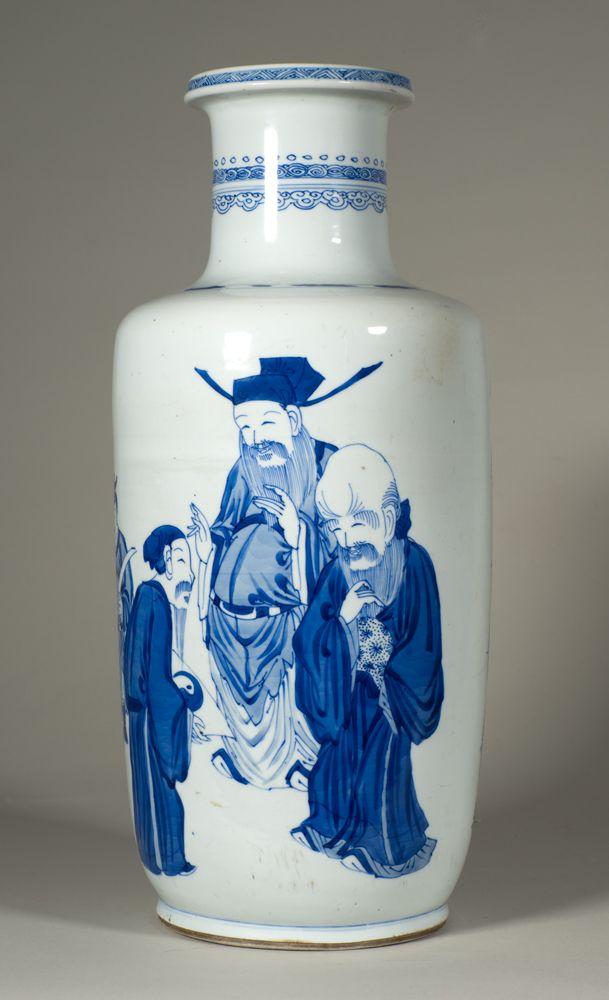
You may be surprised to learn that blue-and-white porcelain is not the traditional ceramicware of China. That distinction belongs to the earlier monochrome pieces (left). Ironically, Blue-and-white ceramics were produced for—and because of—trade. Their signature bright blue color derives from cobalt, which was introduced to China from Persia during the Yuan Dynasty (1271-1368). The popularity of these glazes arose from the expansion of the Silk Road which brought with it new materials, ideas, and a demand for Chinese ceramics from the West. The large volume of blue-and-white porcelain mass-produced in China beginning in the latter half of the 13th century was made largely to satisfy demand from Europe. The creation of a Western market for Chinese ceramics inevitably led ceramicists throughout Europe to attempt to recreate this distinctive blue-and-white look. Possibly the most successful of these imitations was Delftware in the Netherlands which rose to fill the unmet demand for Chinese ceramics throughout Europe by providing affordable alternatives to those imported from China along the Silk Road. Nevertheless, this demand for blue-and-white ceramics, whether produced in China or the Netherlands, was evidence of an evolving cross-cultural influence reflected in many pieces of this era.