
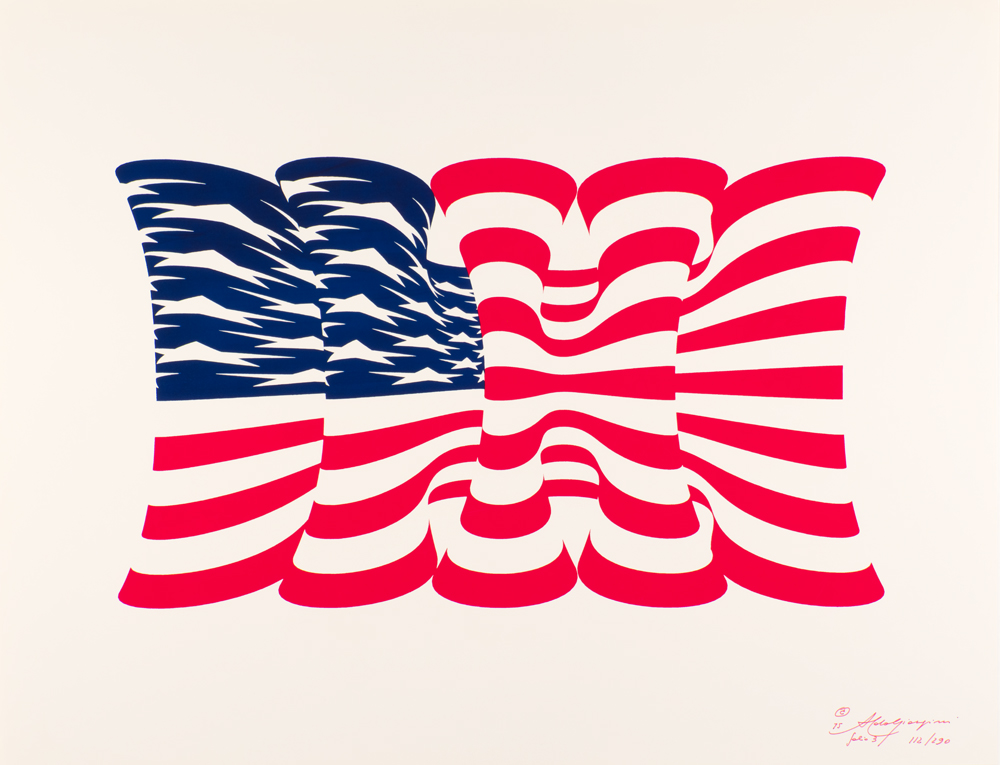
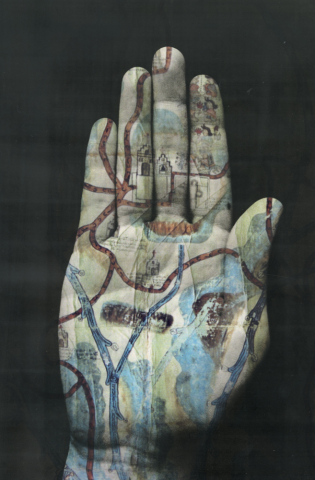
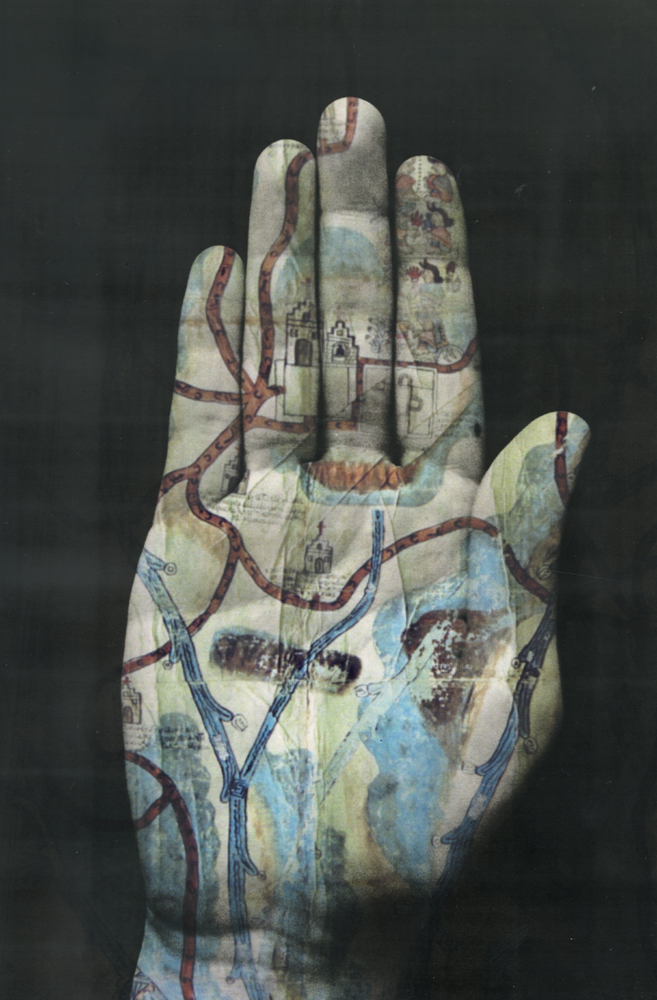
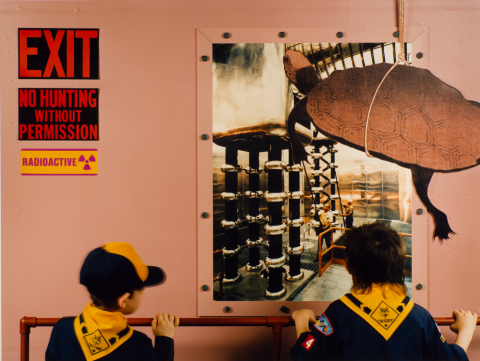



Co-curated by Florencia San Martín, Assistant Professor of Art History, Department of Art, Architecture and Design at Lehigh University; and Mark Wonsidler, LUAG Curator of Exhibitions & Collections
“There was a big high wall there that tried to stop me / The sign was painted, said: 'Private Property.' / But on the backside, it didn't say nothing. / This land was made for you and me.”
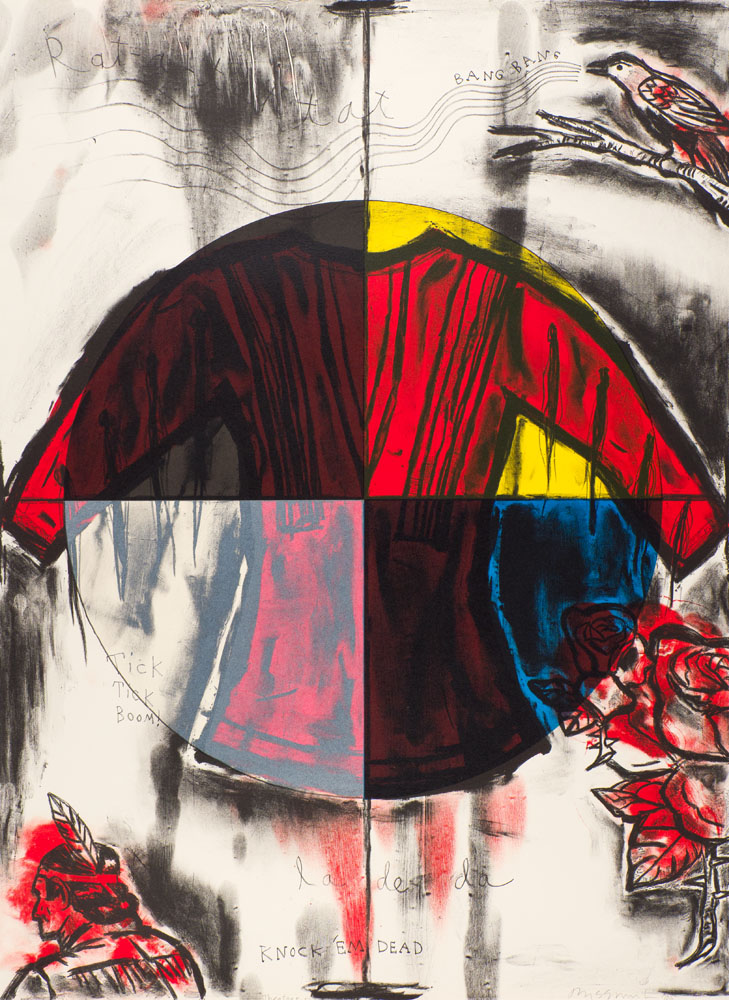
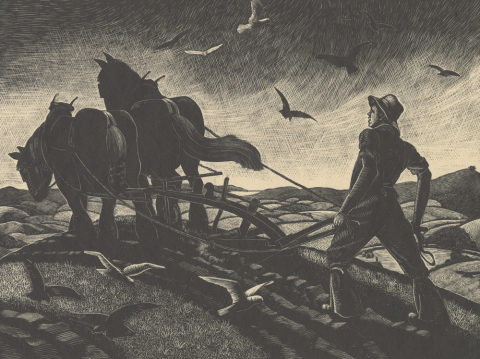
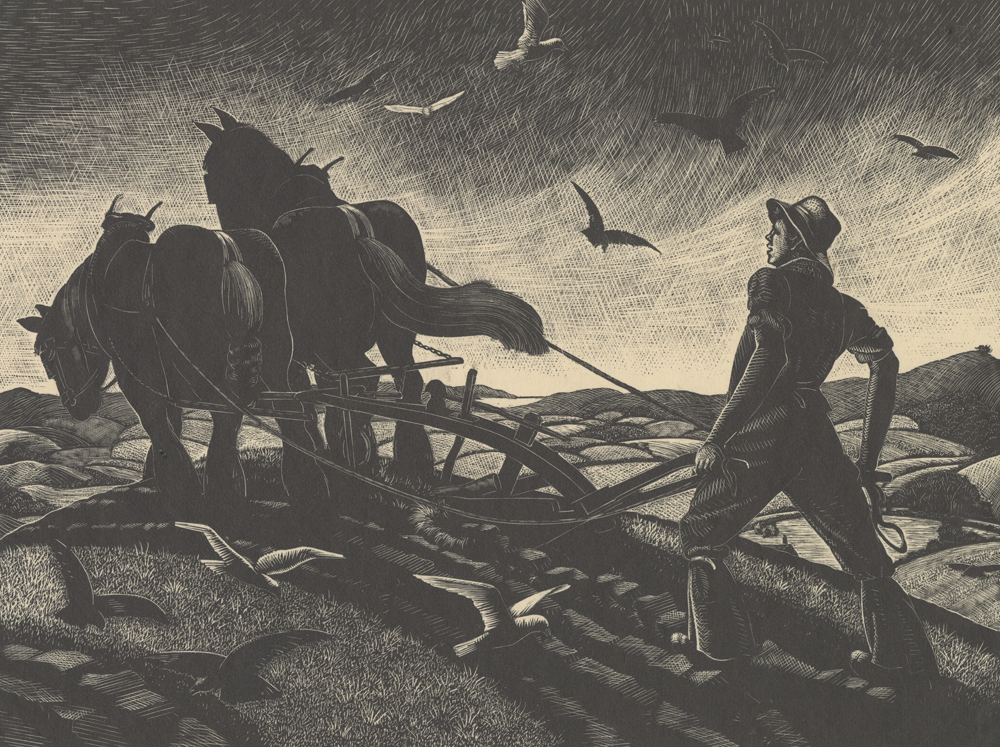
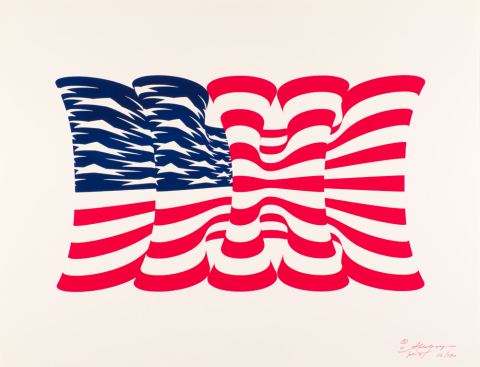
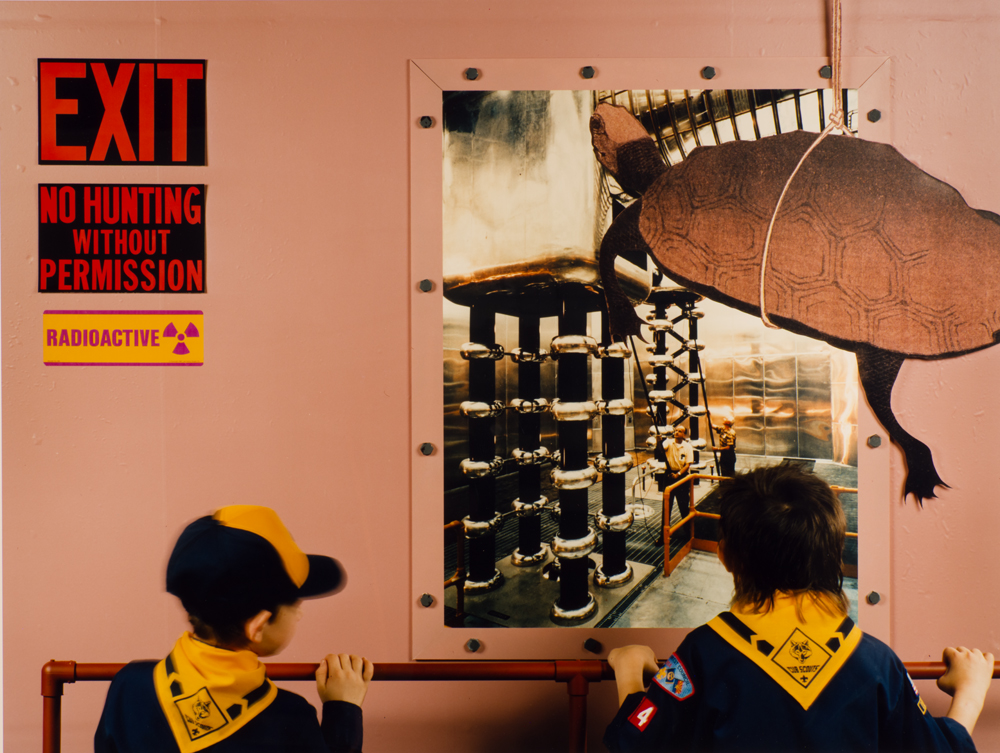
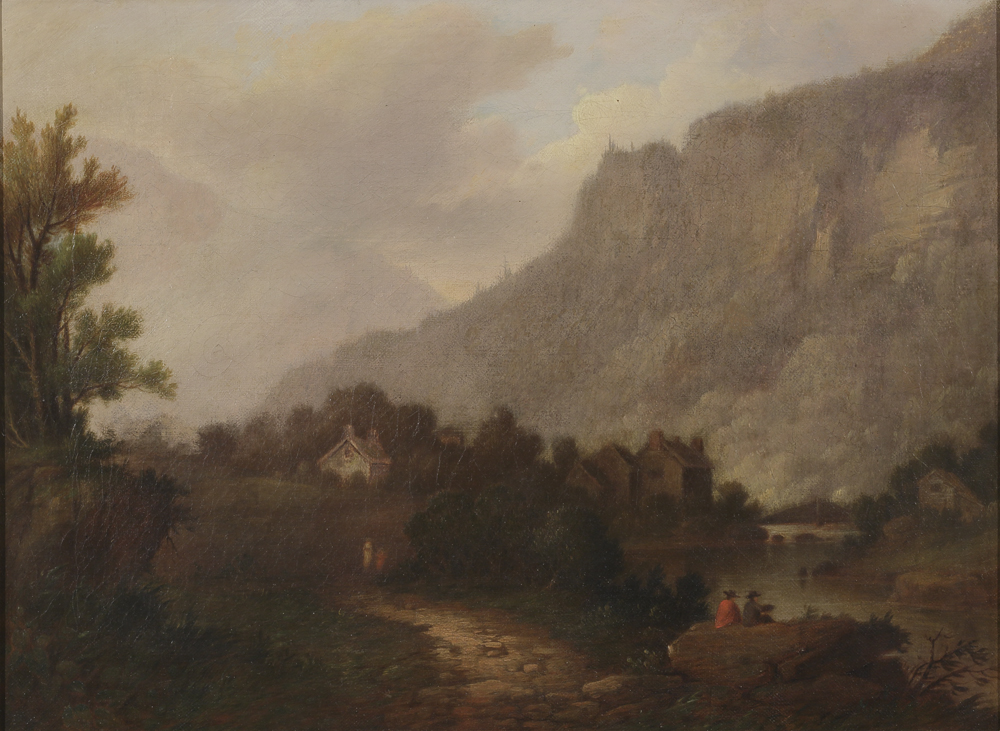
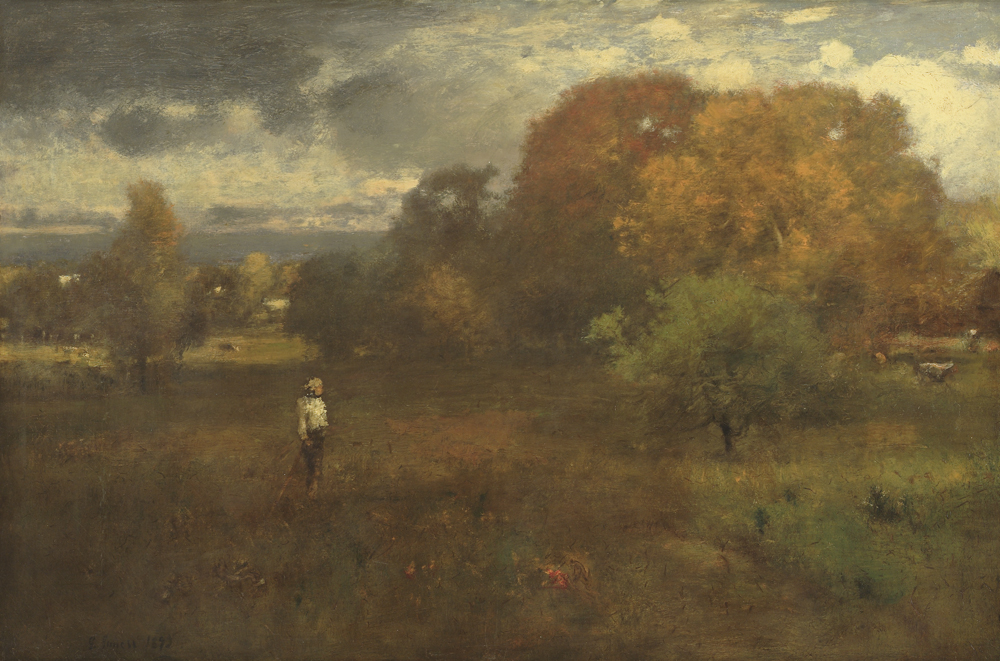
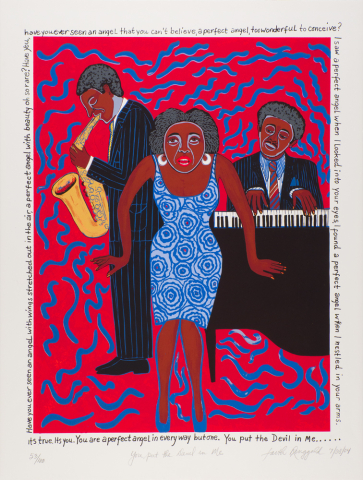
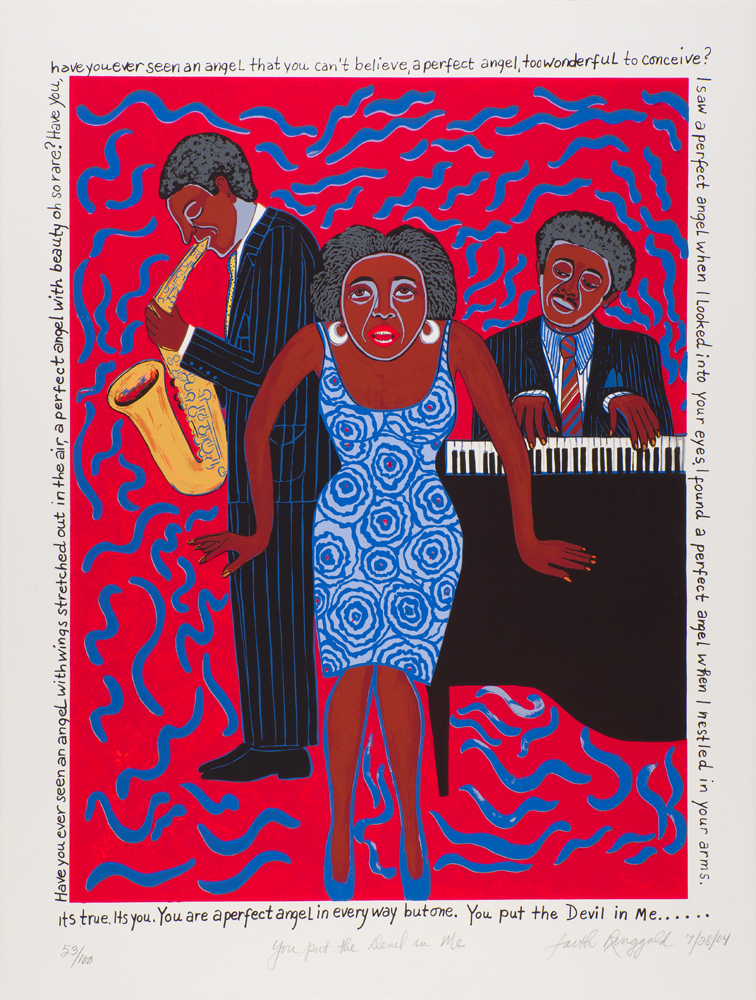
In his iconic 1944 folk anthem "This Land is Your Land," Woody Guthrie imagined a place of true belonging – a landscape where people could move freely, unimpeded by rigid boundaries. Amid increasingly fraught dialogues over yours vs. mine, This Land resists strict definitions of "America" and "Americans," inviting us to explore multiple possibilities of being, living, and understanding. Weaving together maps, sonic metaphors, visual poetry, and critical science fiction, This Land challenges traditional geography, received histories, and myths of ownership.
The exhibition draws from LUAG’s collection and beyond, including a selection of historic images and artifacts from the C. F. Martin & Co. Archives. A listening room and an interactive library space provide opportunities for visitors to engage and reflect, and a vibrant calendar of public programming – from hands-on workshops to artist talks and community conversations – invites all to explore themes of identity, belonging, and our shared histories.
For a list of books included in the interactive library space click on the PDF below.

Divided into six sections – America: Reimagining the Dream, Sounds of Freedom: Reimagining Protest, Sense of Place: Reimagining the Land, Where Am I? Reimagining Maps, Flexible or Fixed? Reimagining Symbols, and The University: Reimagining Learning – the exhibition further acknowledges that such a place is a site and a dream in becoming, in progress, unfinished, just as Guthrie perceived his songs. As he said: “I have never yet put a song on tape or a record, or wrote it down or printed it down or typed it up, or anything else that I really thought was a through and a finished and a done song, and it couldn't be improved on, couldn't be changed around, couldn't be made better.”
A portion of the exhibiton will feature an interactive environment extending from the theme, Sounds of Freedom: Reimagining Protest. An immersive space that is part living room and part listening room, the space will invite visitors of all ages to interact directly with art and activism through multi-sensory experiences including a listening station with vintage vinyl and record player, a digital playlist that invites community input, interactive research screens, a creative lyric-writing and art-making station, and a tactile instrument corner featuring real loaner guitars from C. F. Martin Guitar & Co.
In partnership with Lehigh Valley 250, exhibition programming has been supported by funding from the Pennsylvania Tourism Office. LUAG is grateful for support from all of its exhibition partners: