

Alumni Memorial Gallery • Fairchild-Martindale Study Gallery • Siegel Gallery • Dubois Gallery • The Gallery at Rauch Business Center
view·find·er /ˈvyo͞oˌfīndər/ noun. a window-like tool, frame, or aperture used by artists and photographers to select their field of vision when composing a picture.
How do we see the world around us? In the age of AI and algorithms, we are rediscovering the importance of becoming critical consumers of the images that vie for our attention, sometimes flashing past our eyes at an incredible speed. Images deliver messages about the world—telling stories and embodying ideas about place, identity, and belonging—all based on the choices artists make.
A viewfinder is a simple yet powerful tool that helps artists focus their gaze and compose an image. Typically a small frame, often cut from cardboard, it was historically used by painters and later adapted into the design of cameras. The viewfinder shapes how we capture and interpret the world around us. It reminds us that every image, whether drawn, painted, or photographed, begins with a choice. Making an image is always an exercise of inclusion and exclusion. Add to this the myriad of other choices artists make about lighting, color, materials, and mark-making—and it becomes clear how much there is for us to consider as viewers. Although many of the landscapes in this exhibition have similar characteristics, we invite you to look carefully at their differences.
Interpretation by the viewer is also an act of creation. How do you imagine the artist’s objectives: to document, to celebrate, to stake a claim, to invent, to remember, to mourn, to inspire? What intentions or interpretations do you bring to these landscapes as you look at them?
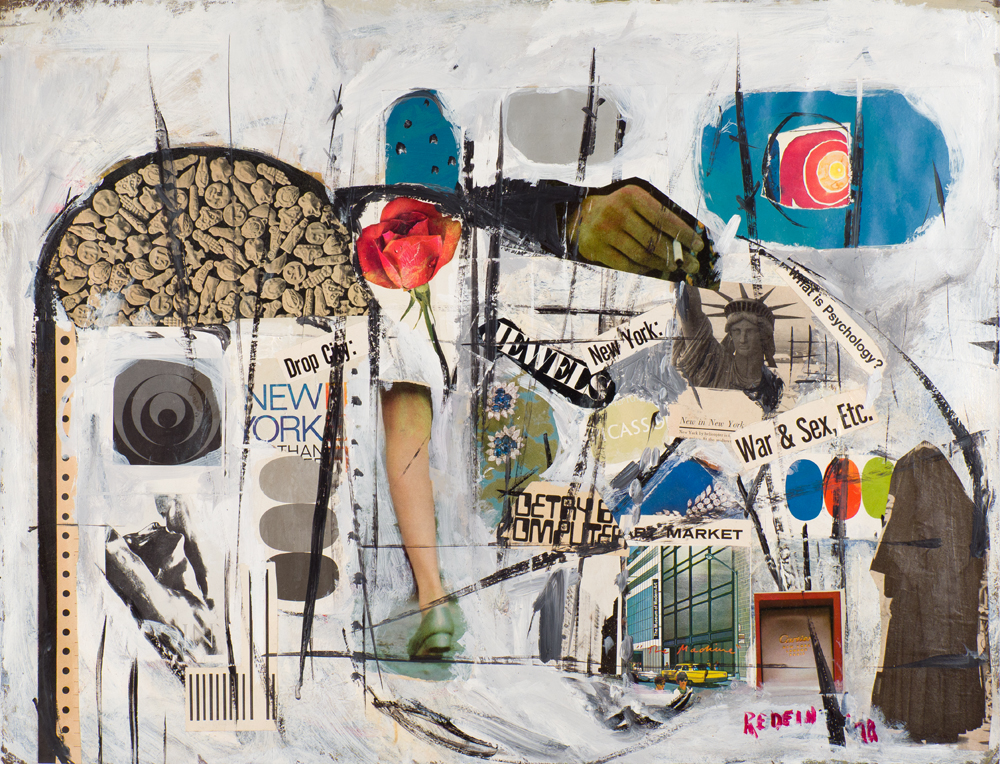
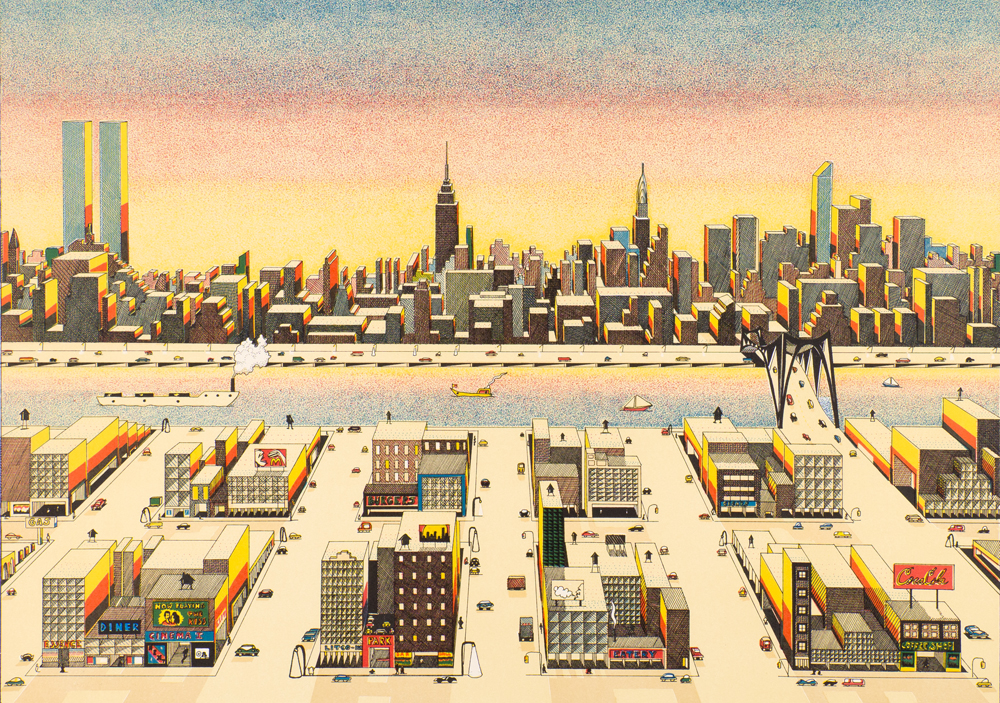
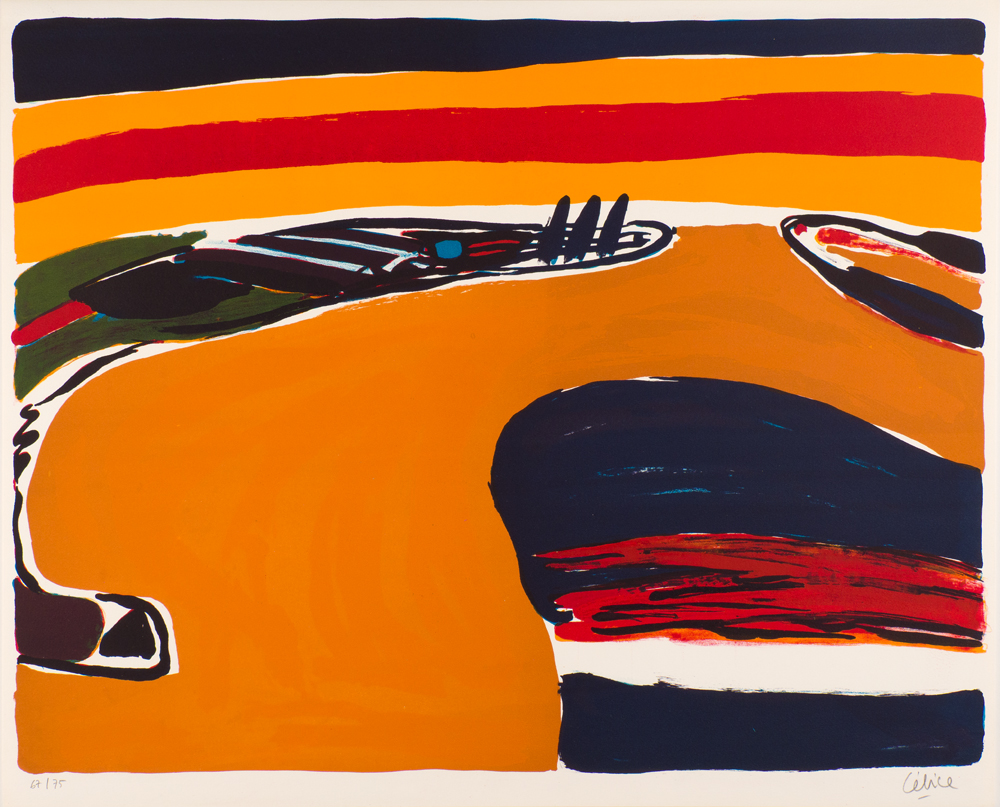
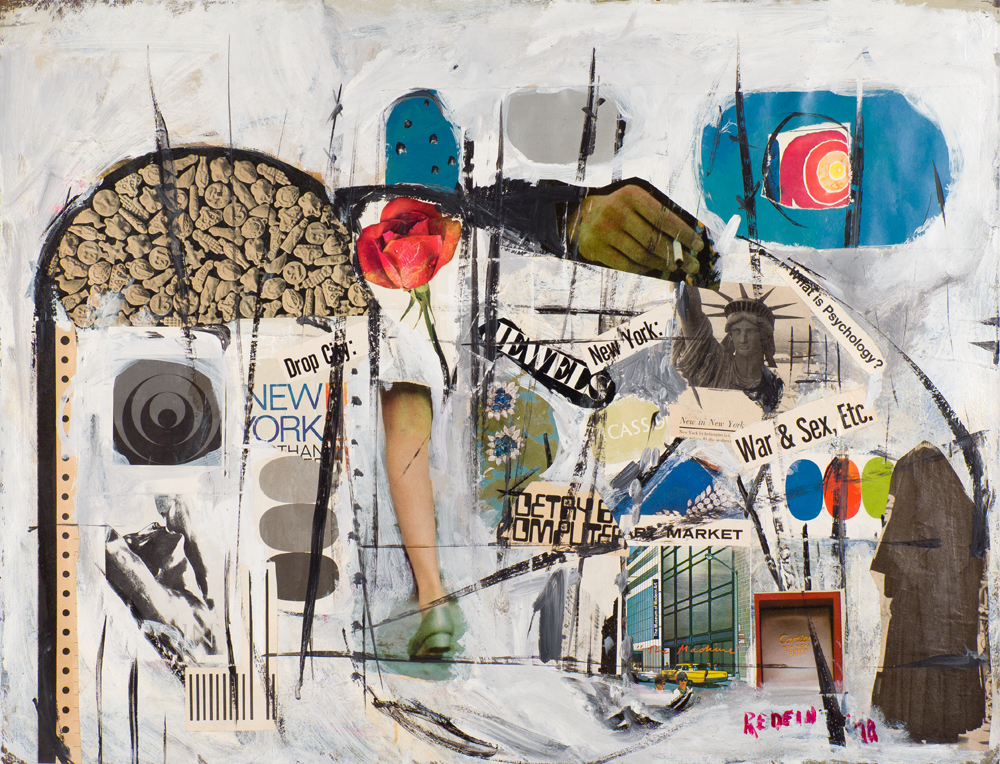
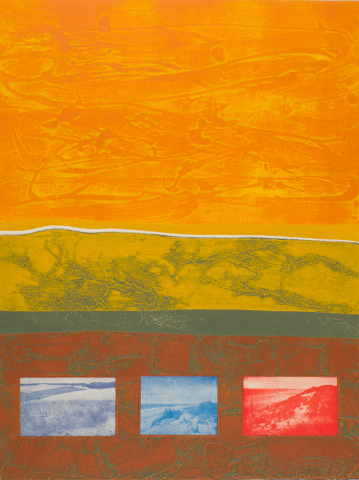
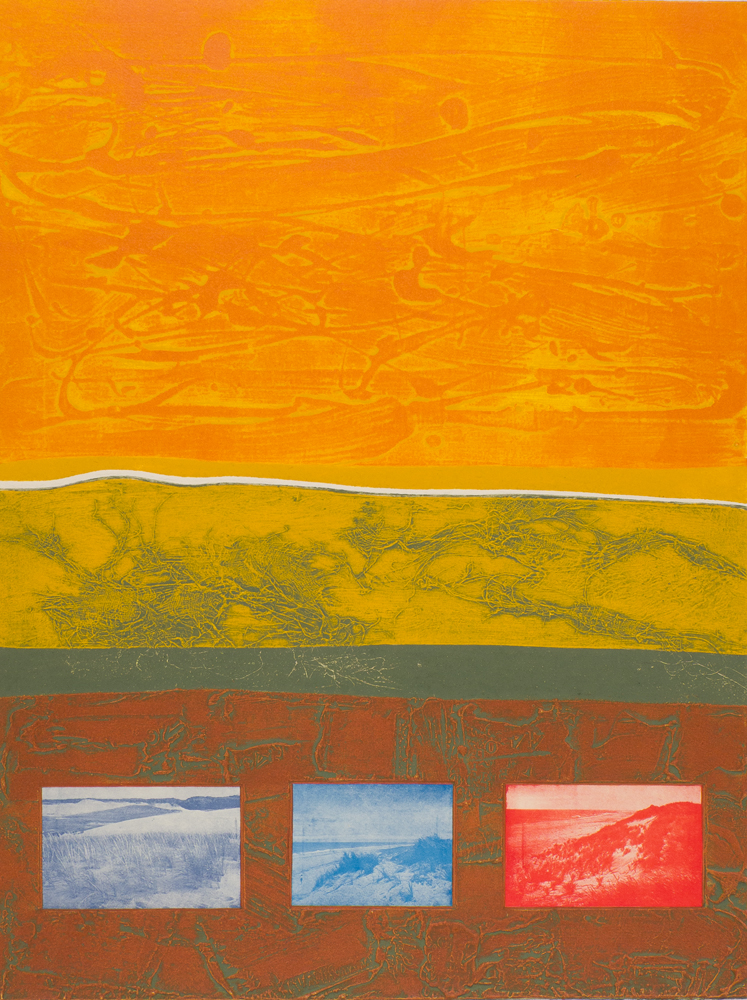
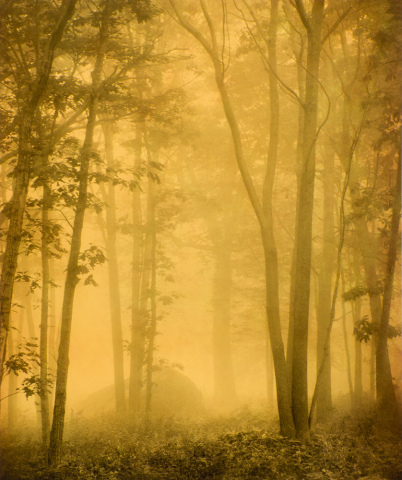
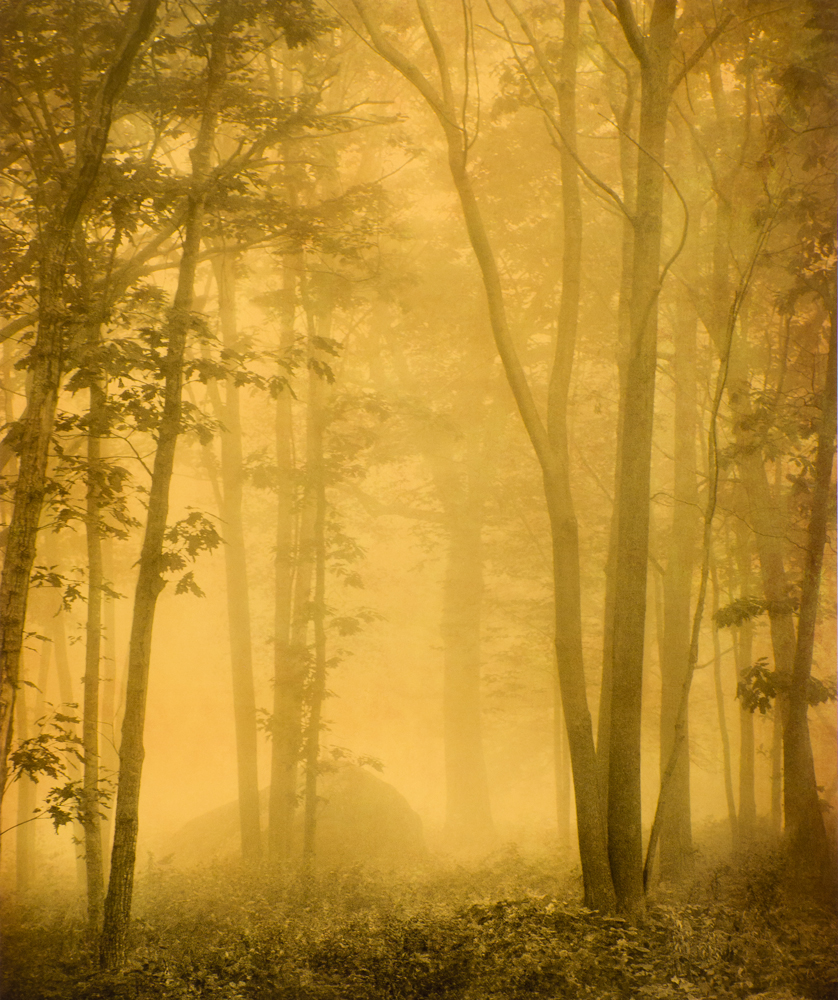
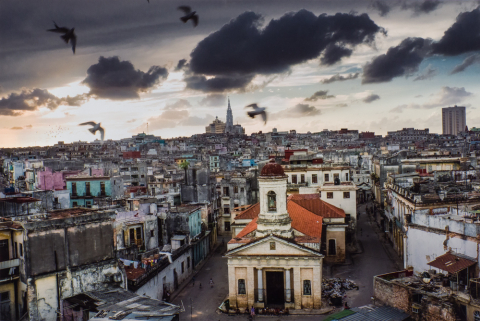
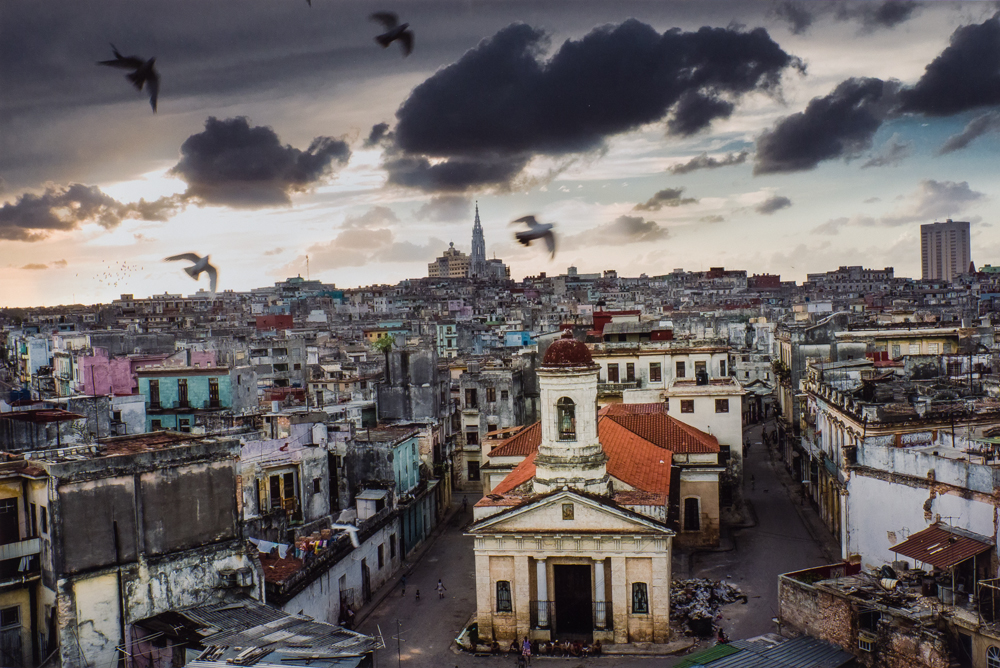
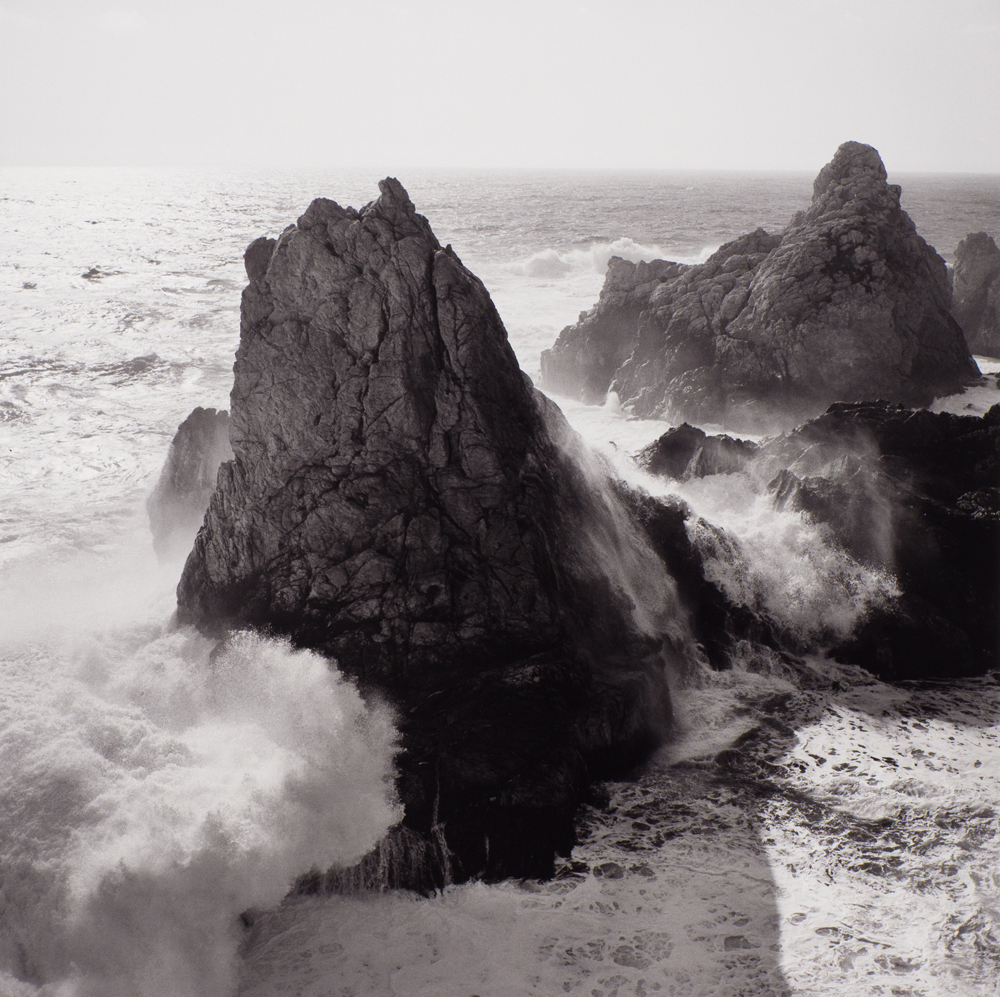
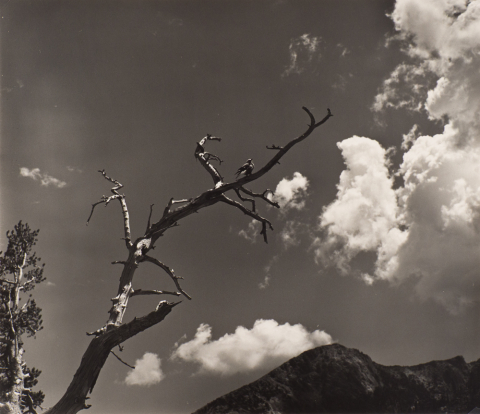
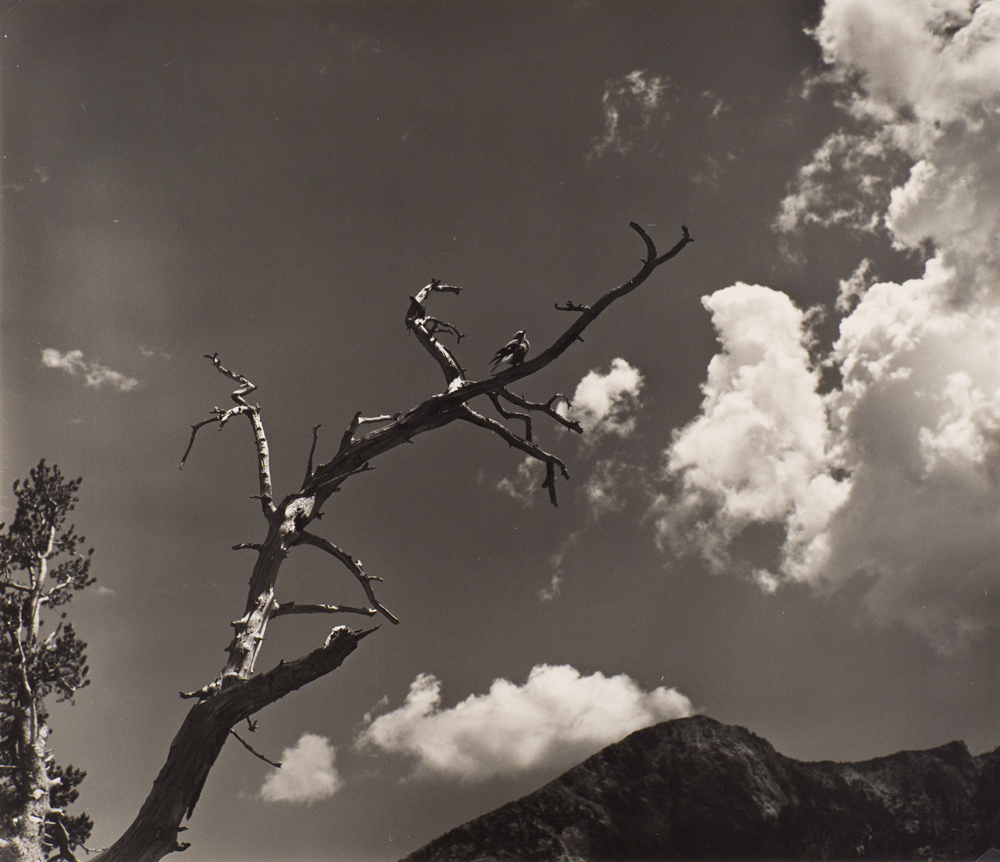
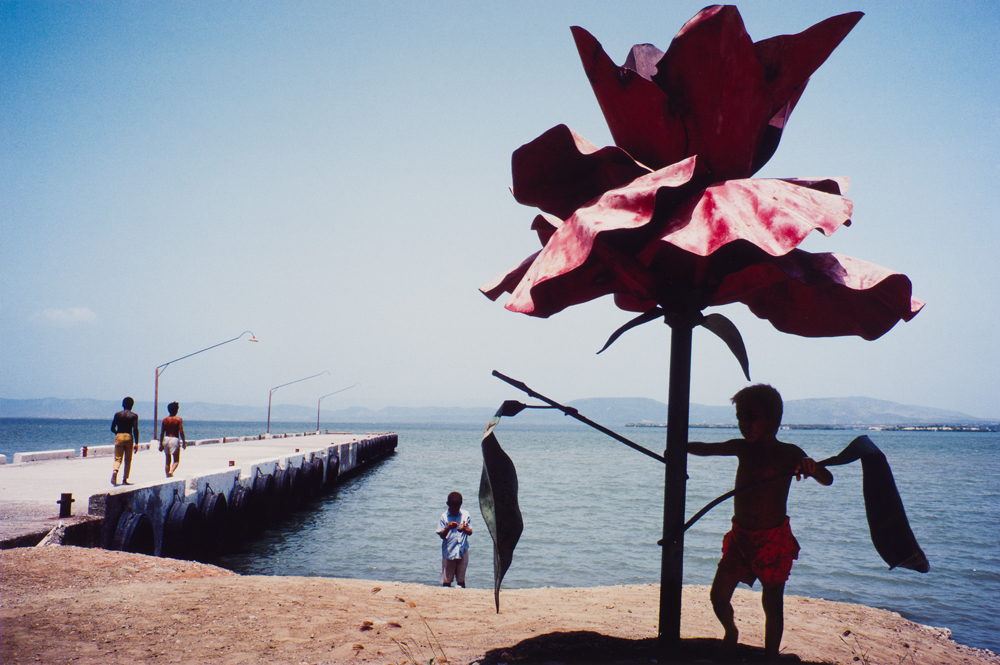
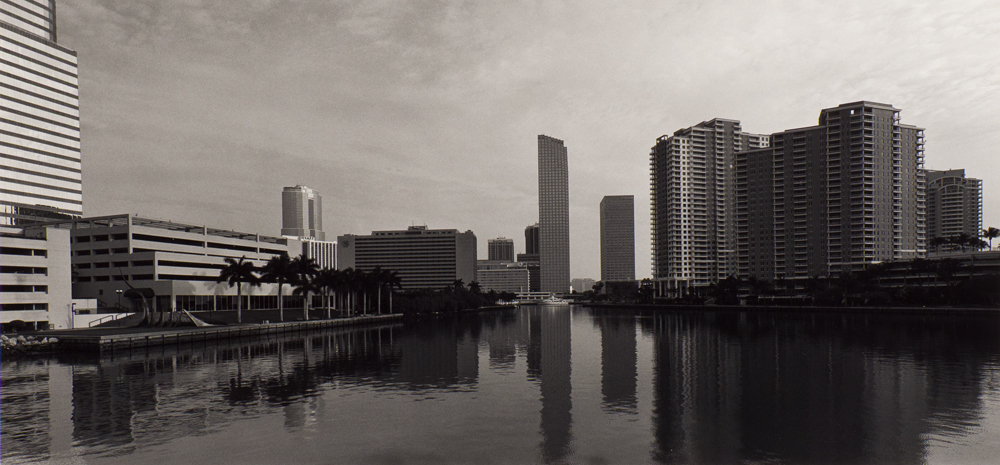
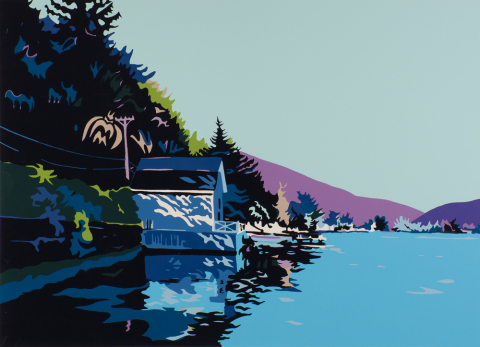
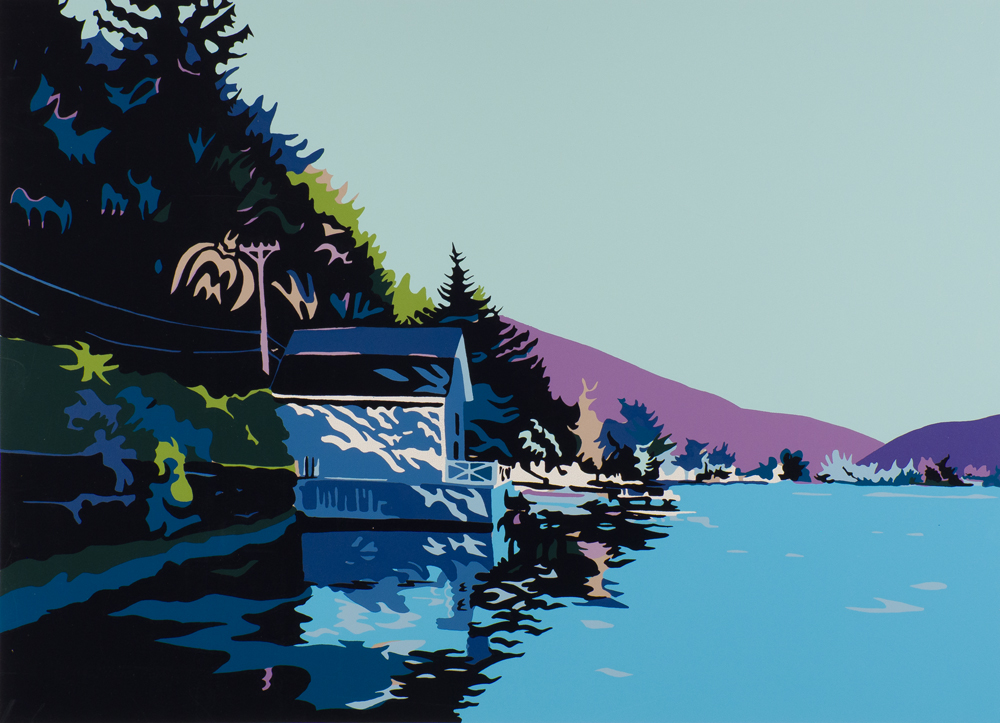
Viewfinder: Looking at Landscapes is an exhibition of over 130 prints and photographs from LUAG's permanent collection, broadly addressing the theme of "landscape" in its many forms as engaged by diverse artists. Located throughout our campus network galleries (see list above) through June 13, 2027, the exhibition includes works by Emilio Sánchez, Ilse Bing, Henry Wolf, Sally Gall, Joyce Tenneson, William Dassonville, Mario Algaze, and Henri Hayden, among many others.