
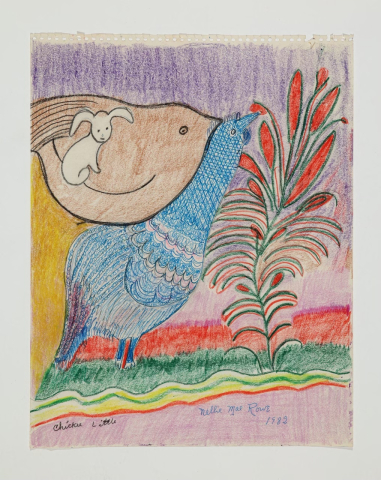
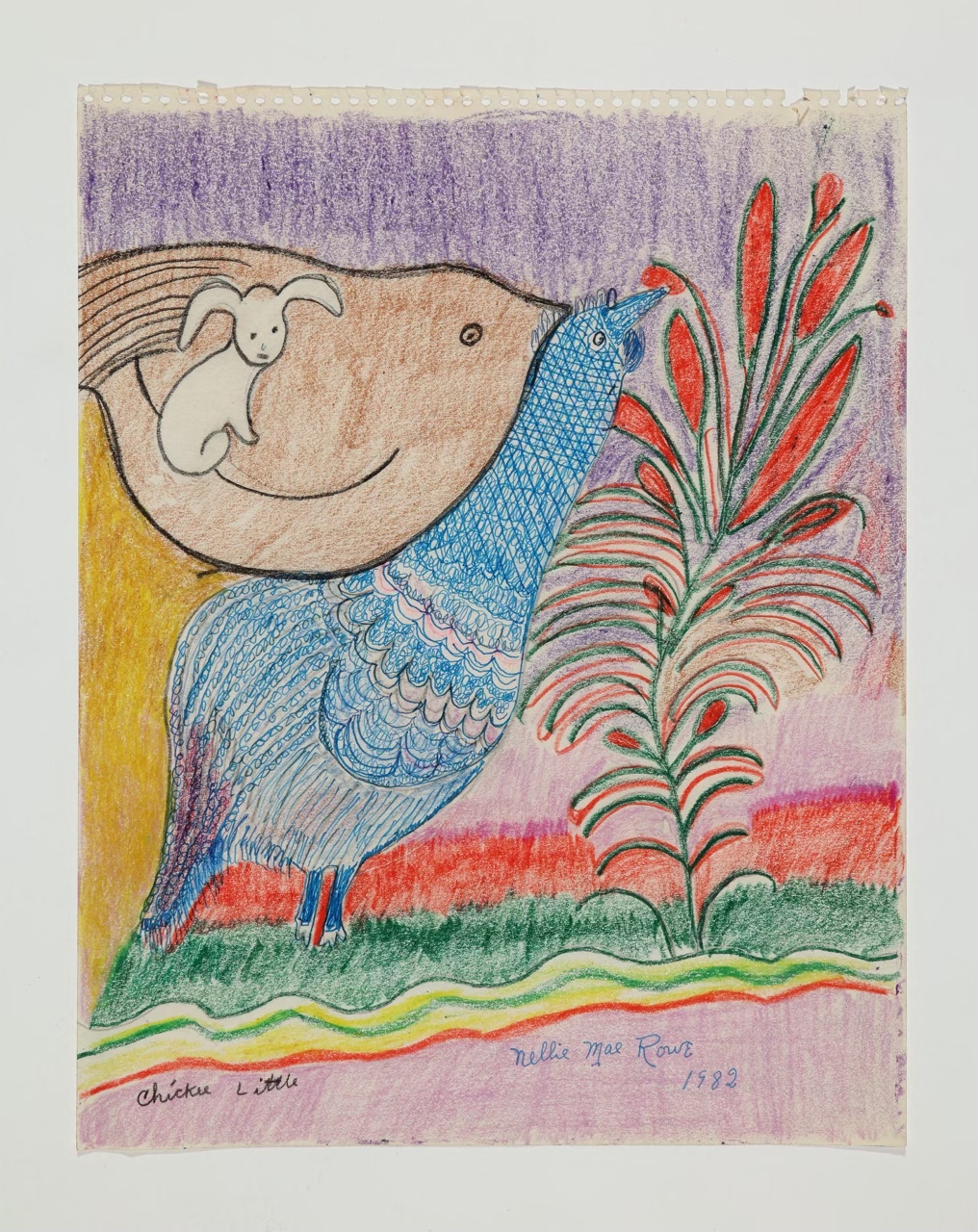
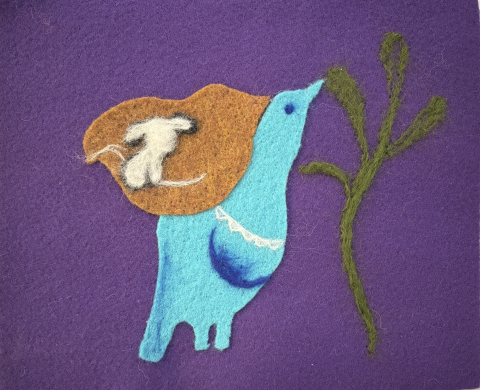
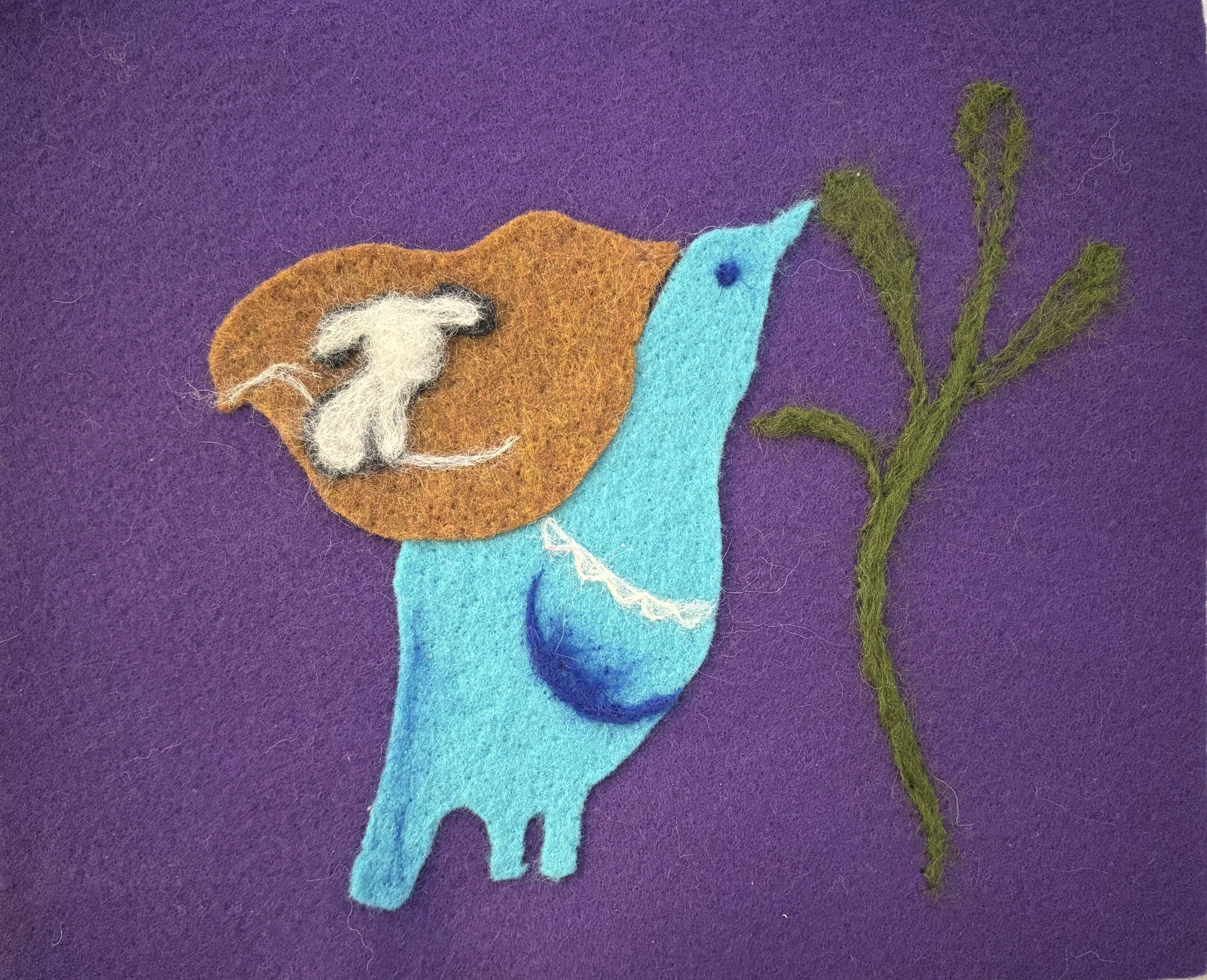


How can art and information be shared through touch? Maps, diagrams, charts, and works of art help people learn about the world around us; however, when information is shared only in visual format, it can create barriers for those who are Blind or have Low-Vision.
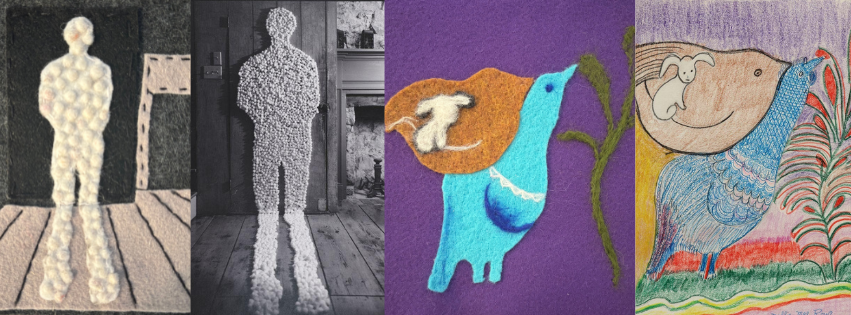
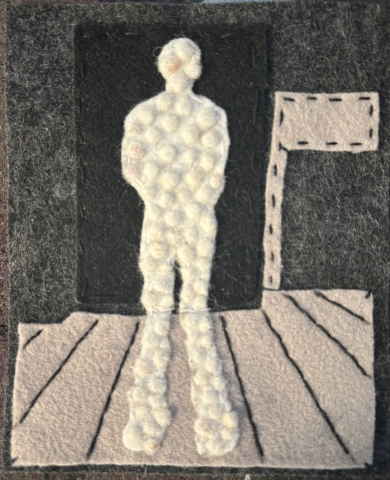
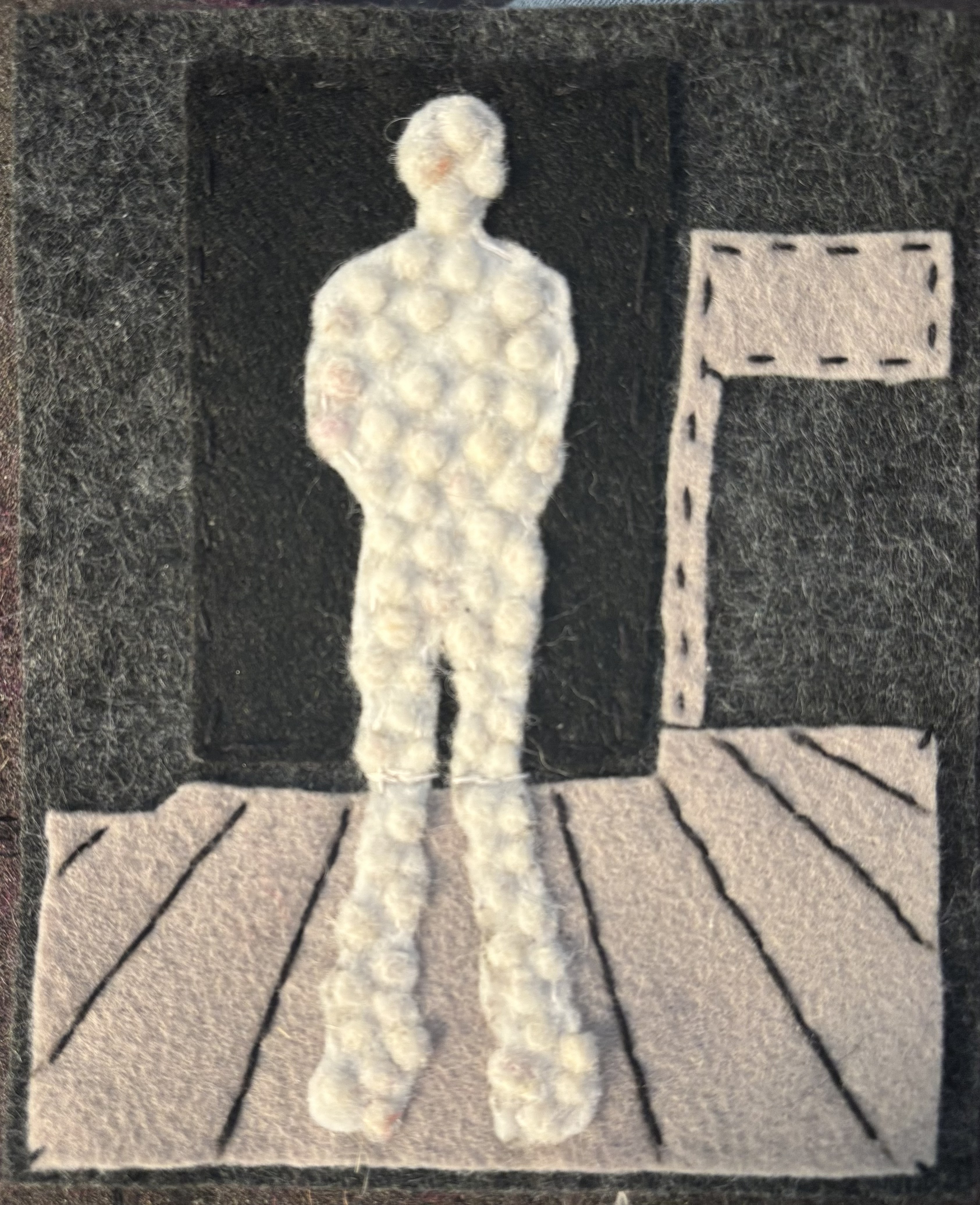
Tactile graphics offer additional ways to explore and understand information, incorporating raised lines, different textures, and other elements that can be felt with fingers and hands—make visual communication more accessible and enrich learning experiences by offering hands-on interaction and additional modes of multisensory understanding.
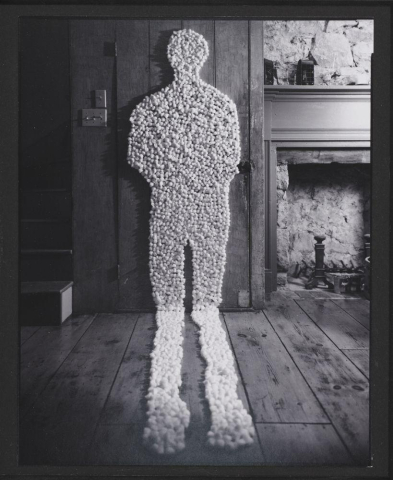
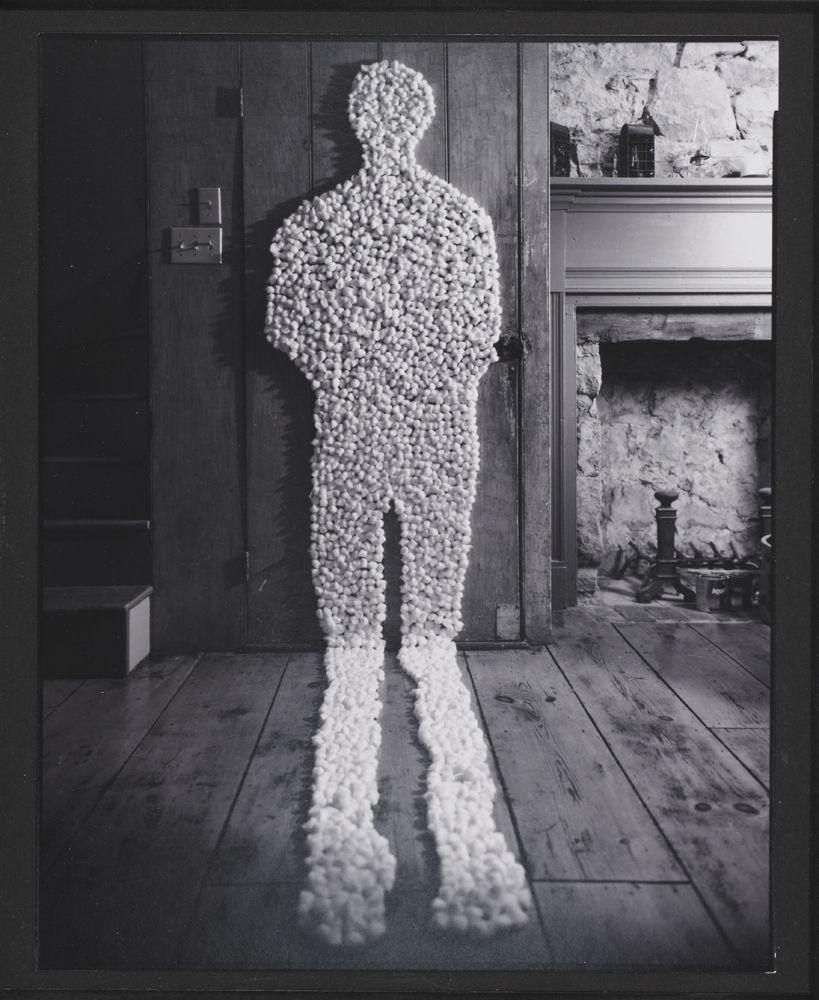
In museums, objects and artwork are often displayed in cases and behind frames that separate the viewer and create harsh glare, making them difficult to explore in a sensory format. If gallery formats depend on one's sense of sight, how can they create engaging and educational experiences for Blind and Low-Vision visitors? Explore the exhibition, Please Touch!, and learn how tactile objects help bridge this gap, connecting audiences of varying abilities to visualize subject matter through touch.
About the Research Team
Please Touch! is an exhibition-style representation of a student research project at Lehigh University that explores reproducible methods for translating visual art and information into tactile graphics. The project is led by Lehigh University students Natalie Corwin ‘27, Kripa Krishnamurthy ‘28, and Melina Sawyers ’28 through the Creative Inquiry Impact Fellowship program with the mentorship of Jenny Kowalski (Art, Architecture, and Design) and Elise Schaffer (Lehigh University Art Galleries).
The team is in the process of testing a range of materials and tools to find ways to make tactile graphics that are affordable and easy to reproduce. These methods include 3D printing, embroidery, and other hands-on techniques.
The goal is to share these methods through a website that others can use to create their own tactile graphics. This project represents the intersection of accessible design, material exploration, and web development. Ultimately, this research seeks to push the boundaries of learning through the discovery of new tactile methods, ensuring that this knowledge reaches the individuals and communities who will benefit the most from it.